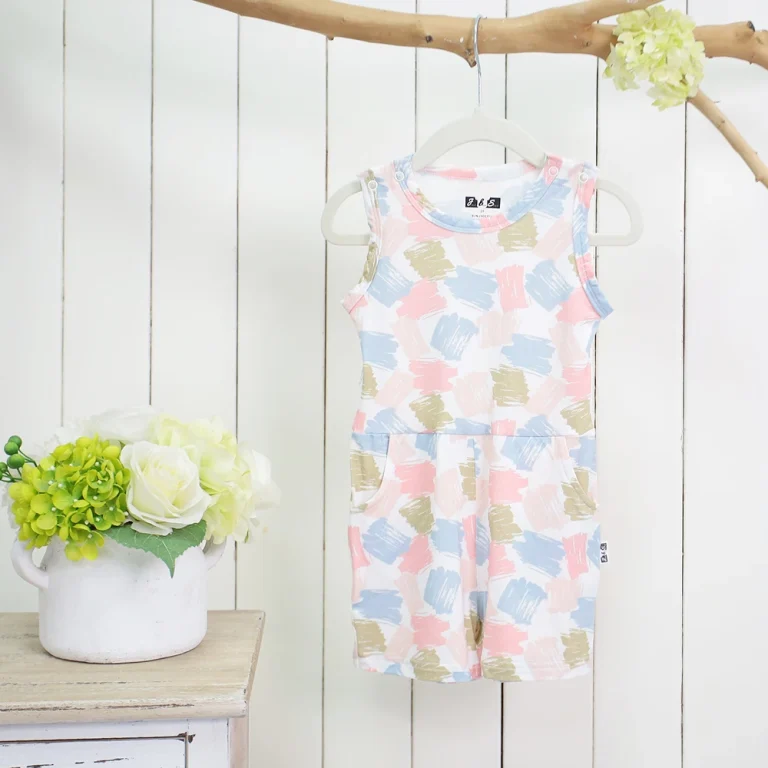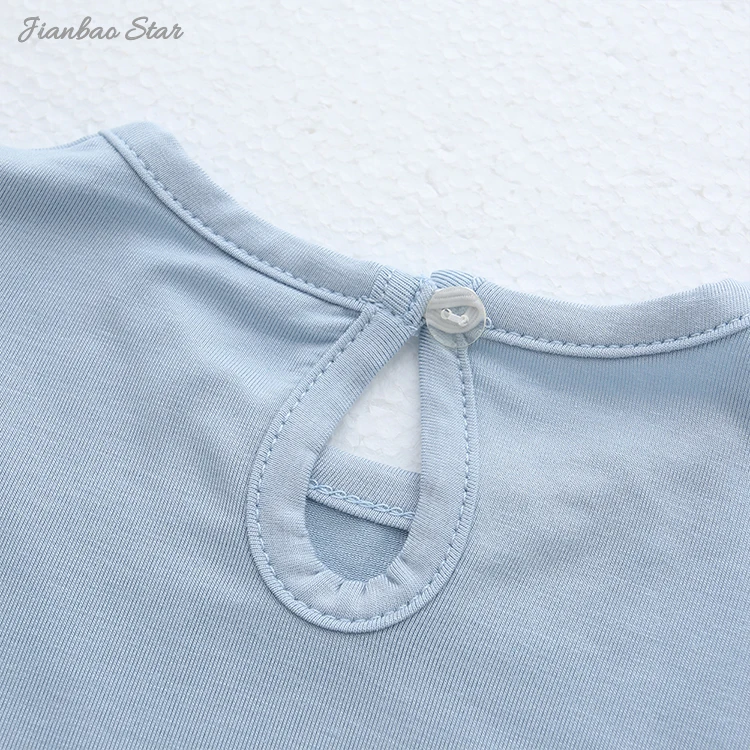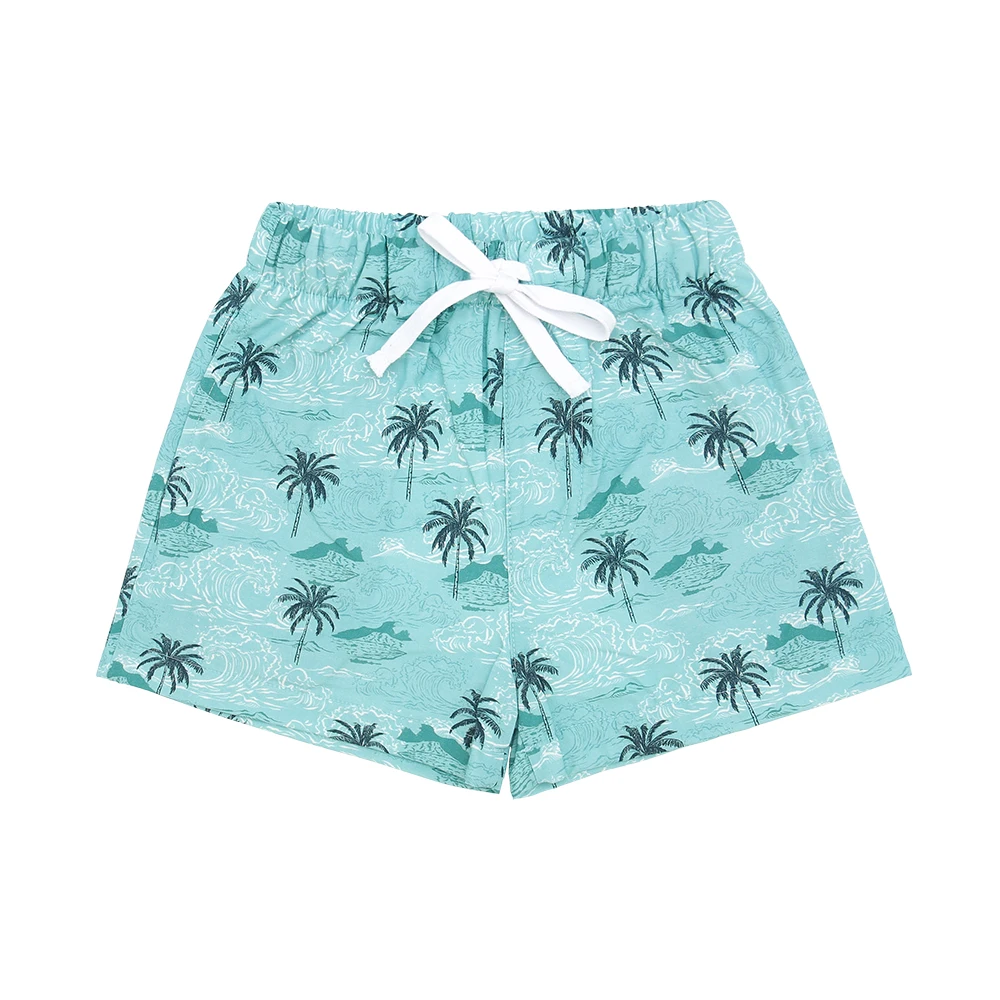
Bambooclothing Ethical Manufacturing Supporting White-Label ManufacturingLow MOQ
The Rising Demand for Bamboo Babywear in the Global Market
The global babywear industry has witnessed a significant shift towards sustainable and eco-friendly materials, with bambooclothing emerging as a top contender. As a renewable and biodegradable resource, bamboo offers unmatched advantages for manufacturers, wholesalers, and retailers catering to the modern parents who prioritize quality, comfort, and environmental responsibility. This article explores the critical aspects of bambooclothing, including its material characteristics, production standards, and B2B supply chain advantages.
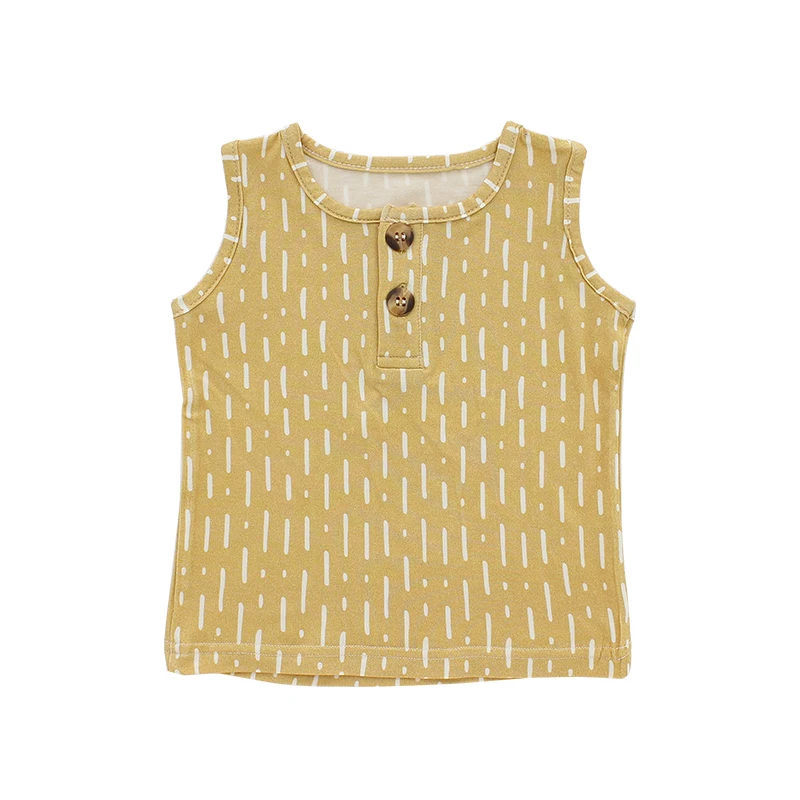
Why Bamboo Is the Ideal Material for Babywear
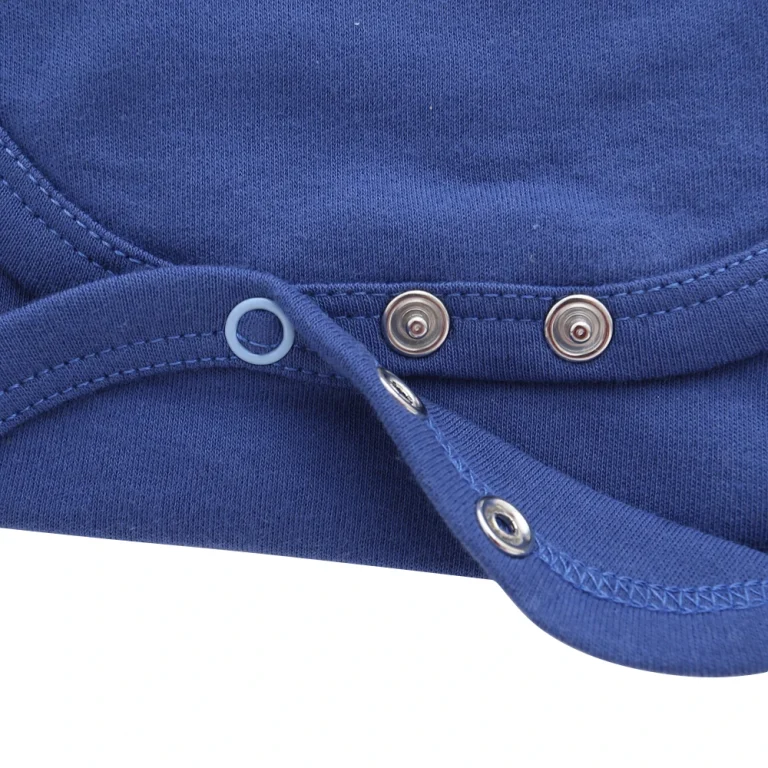
Bamboo fabric boasts intrinsic qualities that make it an ideal choice for babywear production. Here’s a breakdown of its key features:
Fabric Weight and Softness
– Bamboo textile typically ranges between 180-250 GSM (grams per square meter), providing a balance between lightweight comfort and durability.
– Its ultra-soft texture rivals that of premium cotton, making it gentle on a baby’s sensitive skin.
Breathability and Moisture-Wicking Properties
– Bamboo fibers are highly breathable, allowing for optimal air circulation. This prevents overheating, a common concern for infants.
– The fabric’s moisture-wicking ability ensures babies stay dry, minimizing the risk of rashes and irritation.
Antibacterial and Hypoallergenic Benefits
– Bamboo contains natural antibacterial agents, which inhibit bacterial growth and odor.
– Hypoallergenic properties make bambooclothing a suitable choice for babies prone to eczema or other skin sensitivities.
Sustainability
– Bamboo grows rapidly without requiring pesticides or chemical fertilizers, making it an eco-friendly resource.
– Its cultivation uses significantly less water compared to cotton, aligning with sustainability goals for many modern brands.
Production Standards and Compliance
When sourcing bambooclothing OEM and ODM custom babywear with low MOQ, international compliance is paramount. Compliance not only ensures the safety and quality of the products but also builds trust with consumers.
Key Certifications for Bamboo Babywear
– **CPC (Children’s Product Certificate):** Mandates that babywear complies with the United States Consumer Product Safety Act (CPSIA) standards, including lead and phthalate content limits.
– **OEKO-TEX Standard 100:** Guarantees that the fabric is free from harmful substances, ensuring that it’s safe for babies’ delicate skin.
Ethical Manufacturing Practices
– Manufacturers must adhere to stringent regulations regarding labor practices, material sourcing, and waste management.
– Factories that emphasize fair wages, safe working conditions, and sustainable production align with the ethical expectations of B2B buyers.
Quality Assurance and Testing
– Rigorous quality control protocols, including fabric strength testing, colorfastness, and dimensional stability, are critical to producing reliable babywear.
– Partnering with factories equipped with advanced machinery and testing facilities enhances the reliability of the supply chain.
B2B Supply Chain Advantages for Bamboo Babywear
For wholesalers, private labels, and emerging babywear brands, procuring bambooclothing through OEM and ODM channels offers significant benefits.
Low MOQ for Market Entry
– Startups and small-scale businesses often face challenges with high minimum order quantities.
– Partnering with suppliers that offer low MOQs supports brand testing and market entry without heavy upfront investment.
Custom Designs and Private Label Opportunities
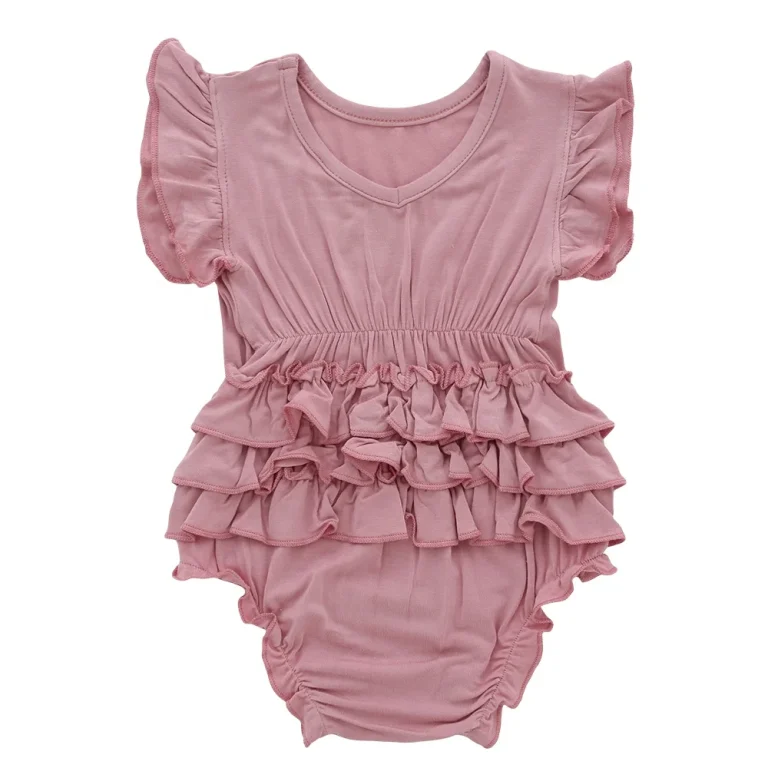
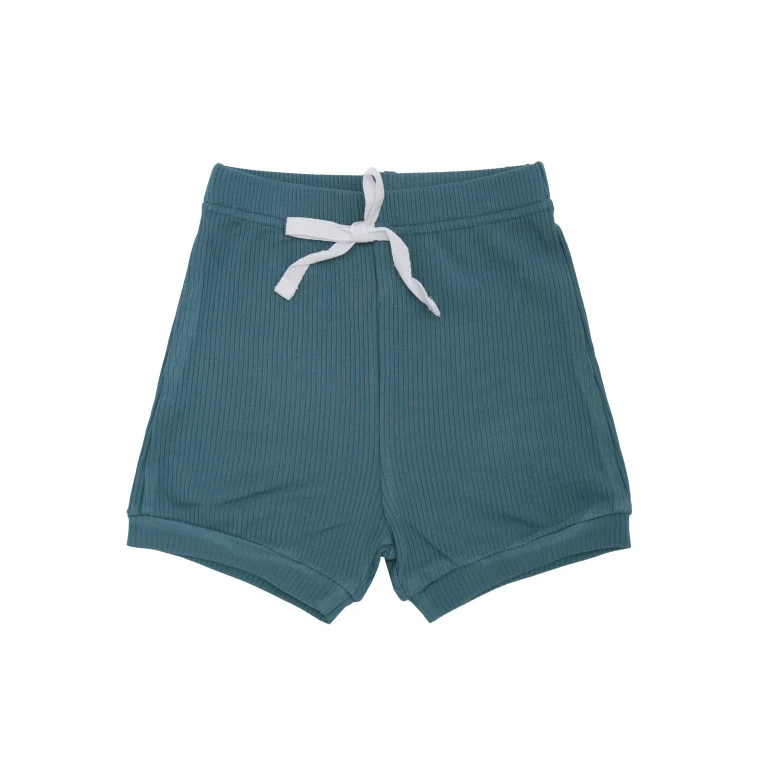
– Through OEM and ODM services, buyers can customize designs, colors, and packaging to suit their brand identity.
– Private labeling allows businesses to establish themselves as premium brands with unique product offerings.
Faster Time-to-Market
– Efficient production workflows and dedicated account management help to minimize lead times.
– Working with experienced manufacturers ensures timely delivery, which is critical for seasonal launches or promotional campaigns.
Cost-Effectiveness
– Bulk purchasing and long-term partnerships with reliable suppliers lead to cost efficiencies.
– Reduced wastage and optimized production processes also contribute to lower costs without compromising quality.
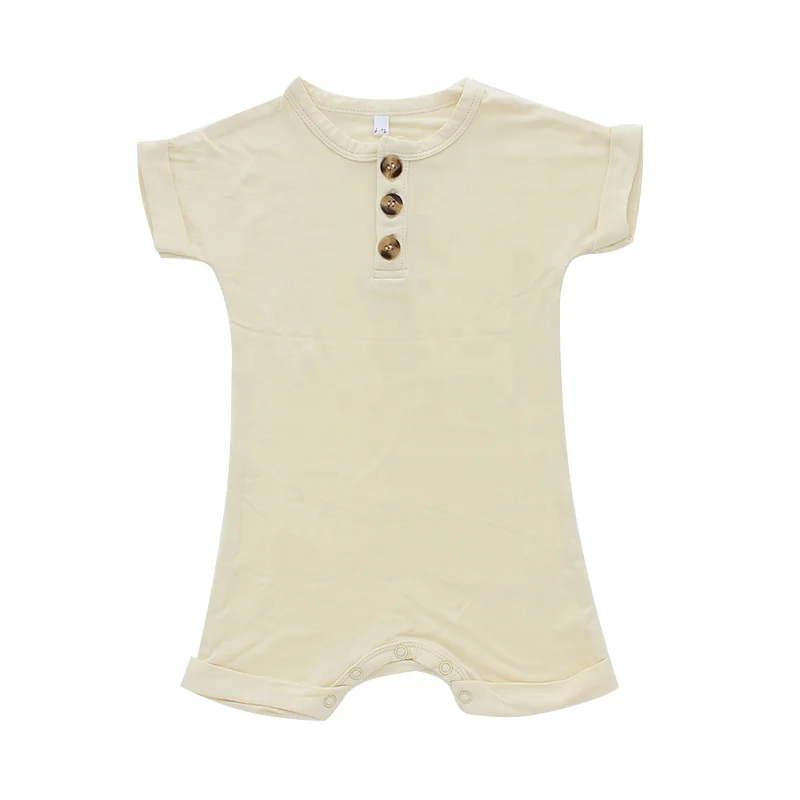
How to Choose the Right Bamboo Babywear Supplier
Selecting the right supplier for bambooclothing involves evaluating several critical factors:
- Experience in Bamboo Fabric: Look for suppliers with extensive expertise in designing and manufacturing products from bamboo textiles.
- Certifications: Ensure the supplier complies with international standards like CPC and OEKO-TEX certifications.
- Low MOQ Options: Choose a partner that offers flexibility in order quantities to accommodate small and medium-sized businesses.
- Customization Capabilities: Verify the ability to provide OEM and ODM services tailored to your brand’s specific requirements.
- Transparent Production Processes: Reliable suppliers provide clear communication about lead times, material sourcing, and quality checks.
Partner with a Trusted Bamboo Babywear Manufacturer
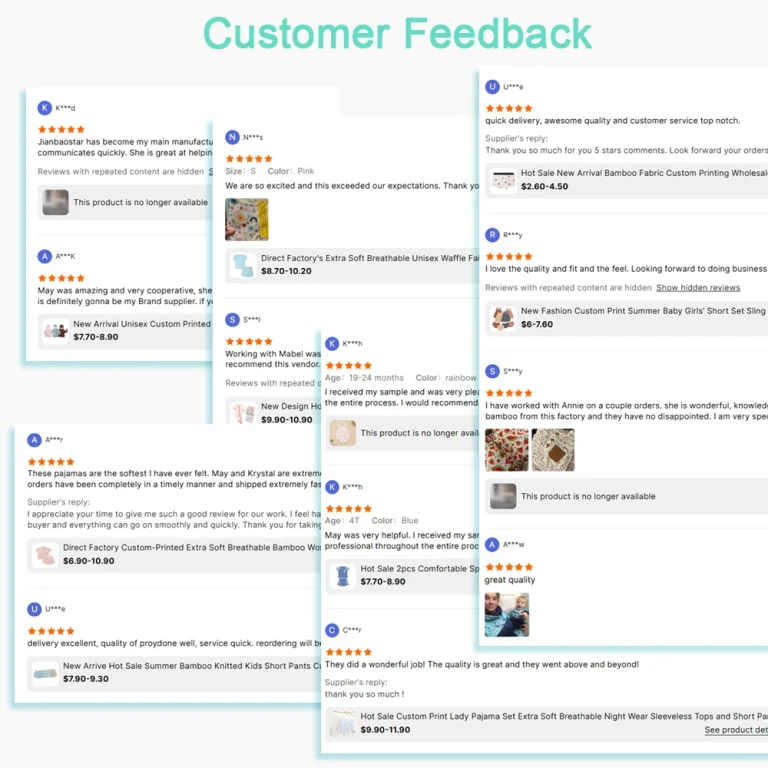
Whether you are an emerging private label or an established wholesaler, partnering with a qualified supplier is essential to succeed in the competitive babywear market. With expertise in bambooclothing OEM and ODM custom babywear with low MOQ, our factory ensures high-quality products, ethical manufacturing, and customizable solutions to meet your specific needs. For inquiries about bulk orders or customized solutions, contact us today to explore how we can support your business growth.