Reliable Bluey Bamboo Eco-friendly: Overcoming Supply Chain Hurdles
Bamboo Baby Clothing: Eco-Friendly Fabric for Modern Needs
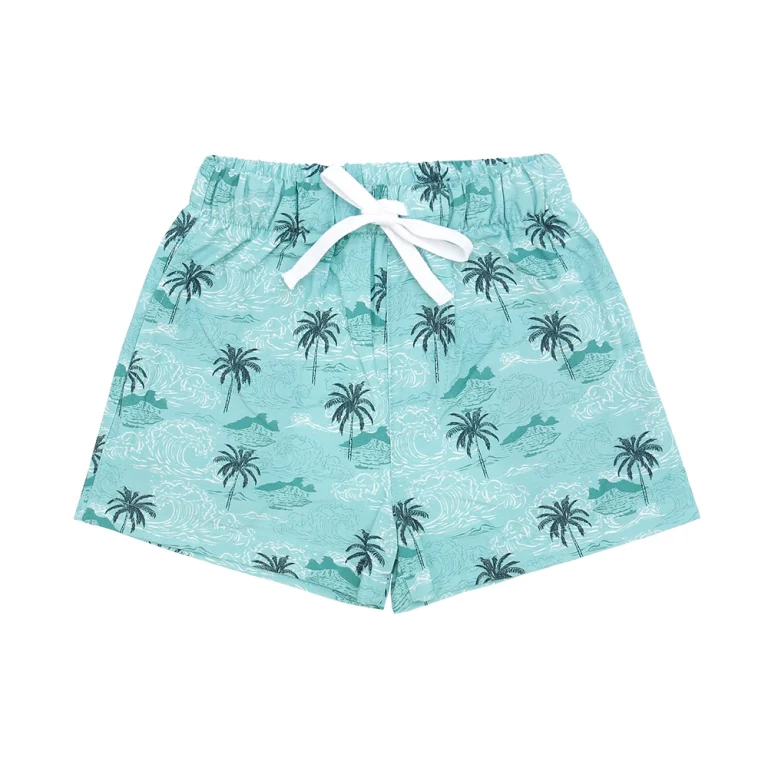
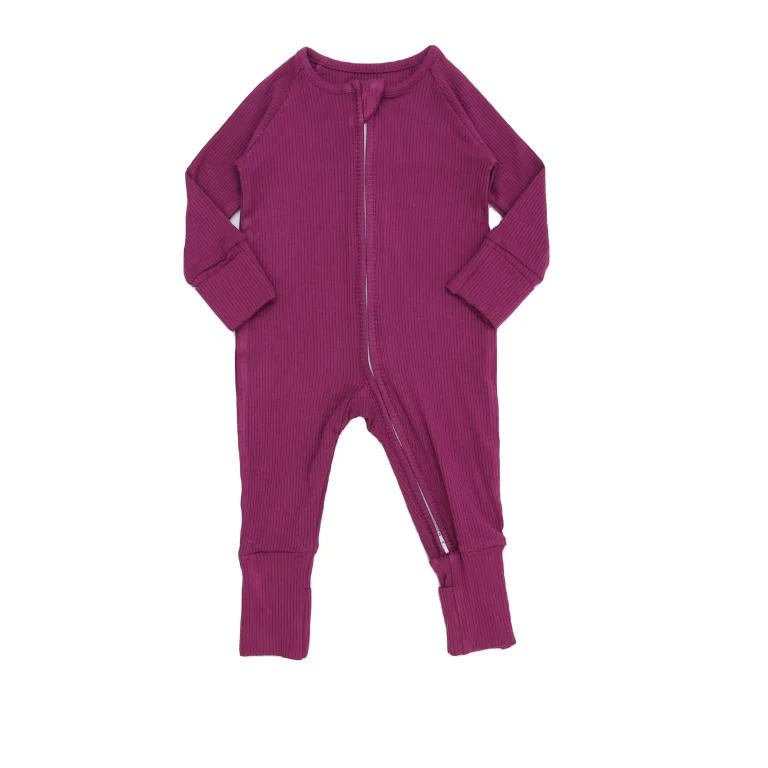
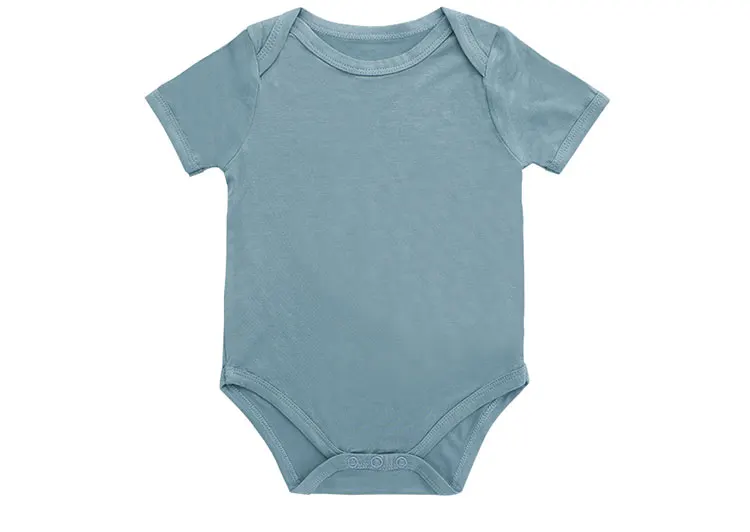
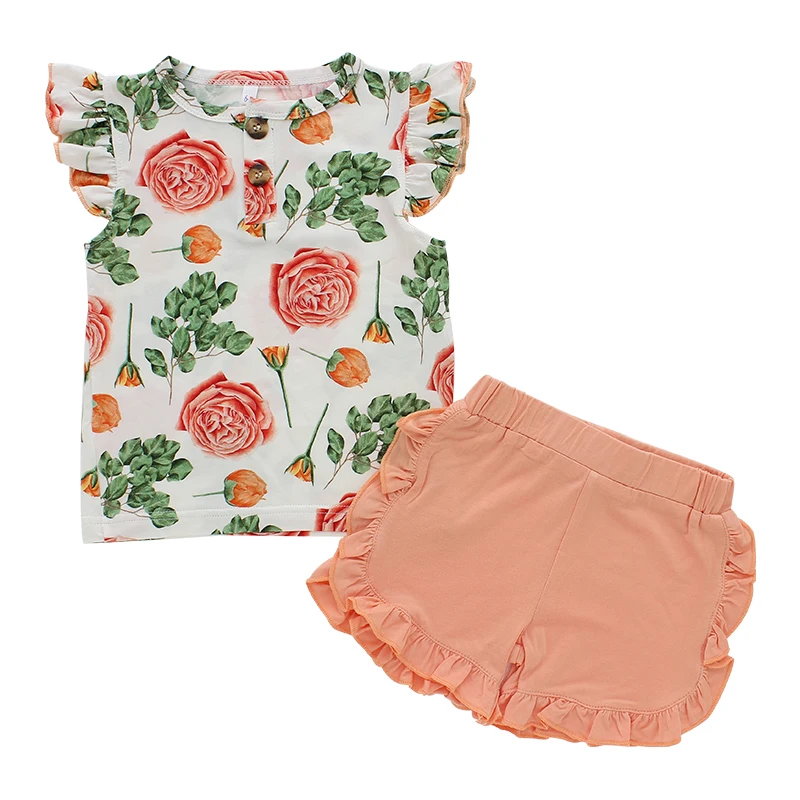
The baby clothing industry has witnessed a significant shift towards eco-friendly options, with bamboo fabric gaining prominence for its sustainable attributes and practical performance. The use of bluey bamboo material in baby clothing responds to the demands of environmentally conscious parents and wholesale buyers. Manufacturers worldwide are pivoting to bamboo textiles for their unique characteristics and compliance with international standards.
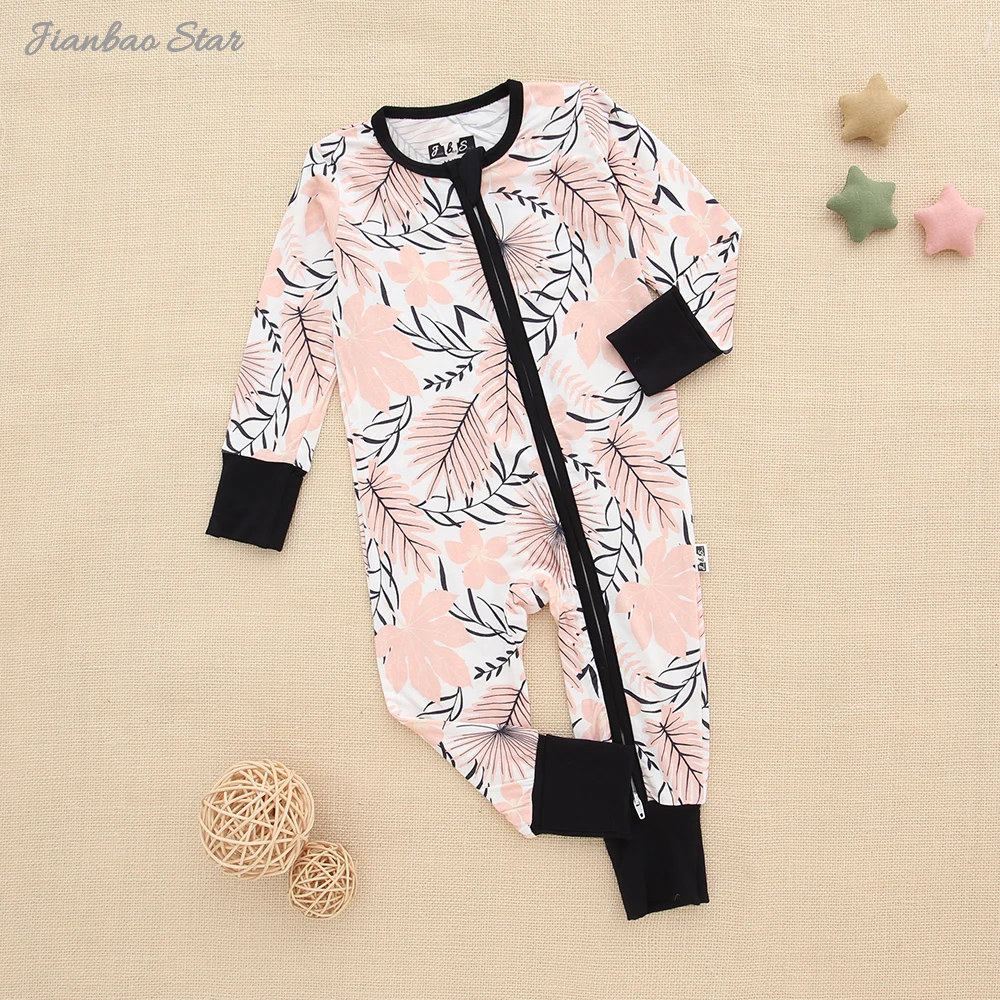
Why Bamboo Fabric Stands Out in Babywear
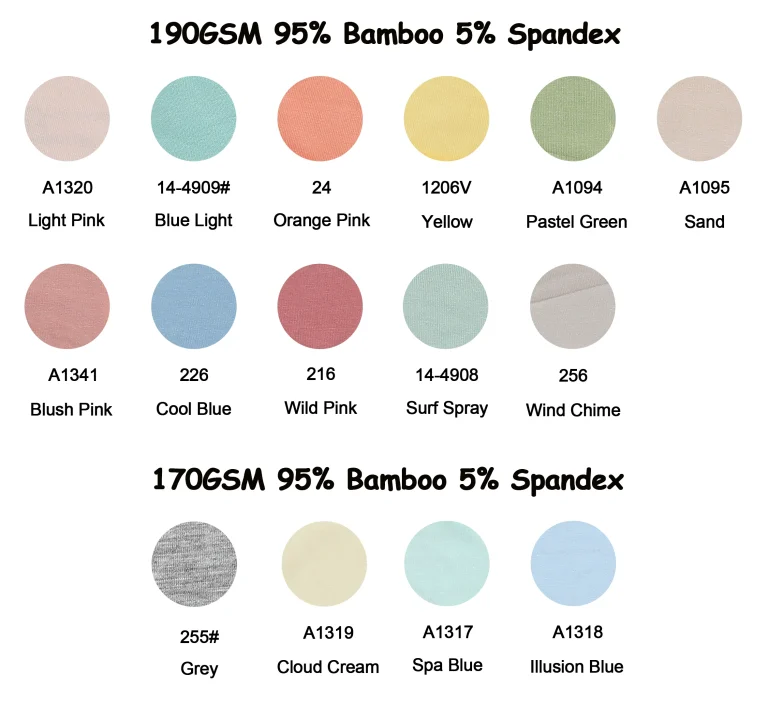
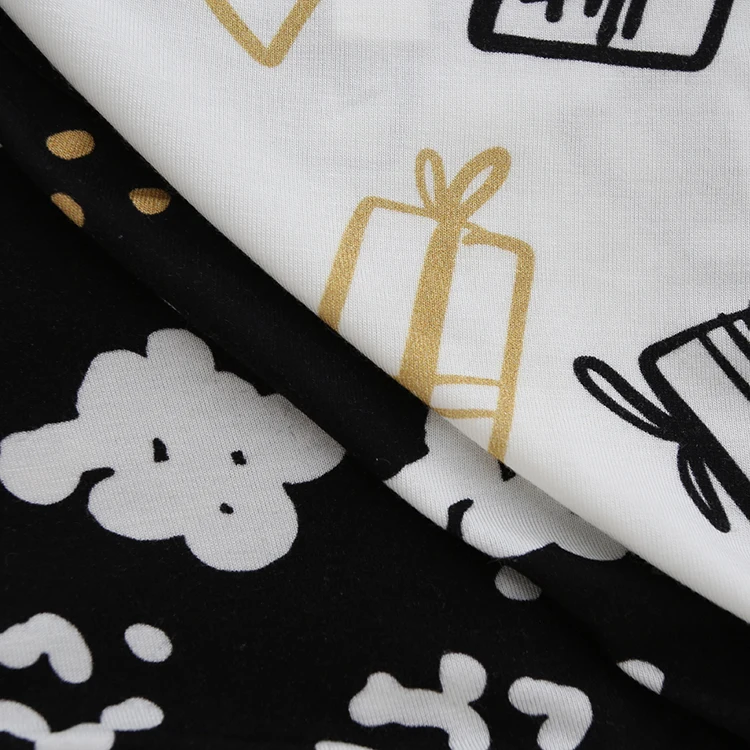
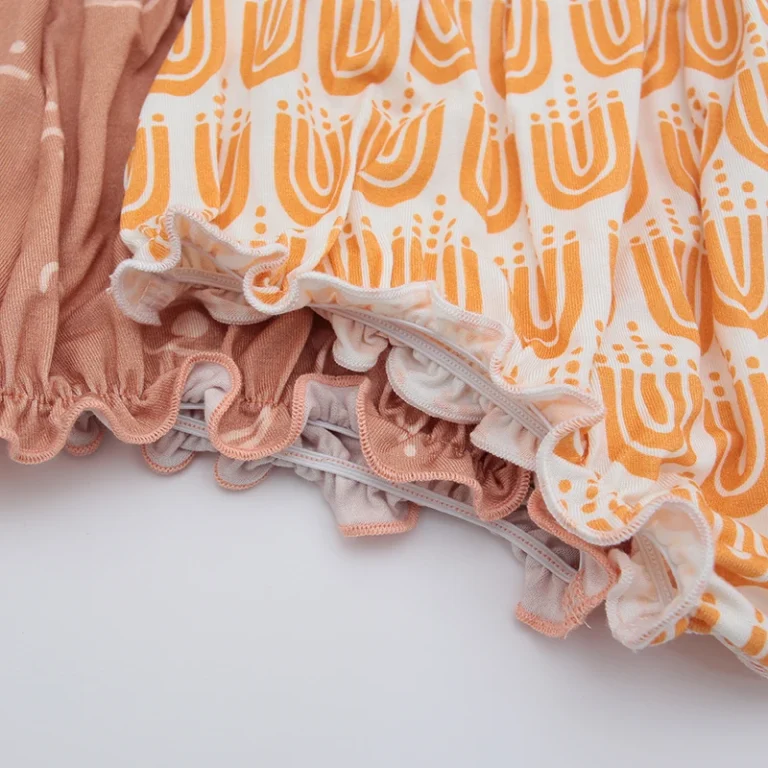
Bamboo fabric has emerged as a leading choice for baby clothing due to its unique combination of softness, breathability, and sustainability. With a fabric weight often ranging between 160gsm and 220gsm, bamboo material is lightweight yet durable, offering unparalleled comfort for infants. Key attributes include:
- Breathability: Bamboo fibers feature micro-gaps, ensuring excellent airflow, which reduces heat retention and keeps babies cool.
- Hypoallergenic Properties: Naturally resistant to allergens, bamboo clothing is ideal for sensitive baby skin.
- Moisture-Wicking: Bamboo absorbs moisture efficiently, maintaining dryness and preventing irritation.
- Eco-Friendly Production: Bamboo grows rapidly without the need for pesticides or excessive water usage.
Production Processes for Bluey Bamboo Baby Clothing
At the forefront of innovation, bluey bamboo garments leverage advanced production techniques to ensure quality and sustainability. Manufacturers often employ a closed-loop system to produce bamboo viscose, minimizing waste and environmental footprint. Fabric dyeing adheres to OEKO-TEX standards, guaranteeing that no harmful chemicals impact the final product. Additionally, stringent quality control measures ensure consistent results.
International Compliance for Babywear
Wholesale buyers and brand owners prioritize compliance to avoid supply chain interruptions and meet market expectations. Bamboo baby clothing manufacturers must adhere to international certifications such as:
- CPC (Children’s Product Certificate): Ensures that baby clothes meet safety and labeling requirements in the U.S.
- OEKO-TEX Standard 100: Certifies that textiles are free from harmful substances, meeting ecological standards globally.
- GOTS (Global Organic Textile Standard): Recognized for organic fabric certification, used in specific bamboo blends.
These certifications not only validate product safety but also enhance brand trust among end consumers.
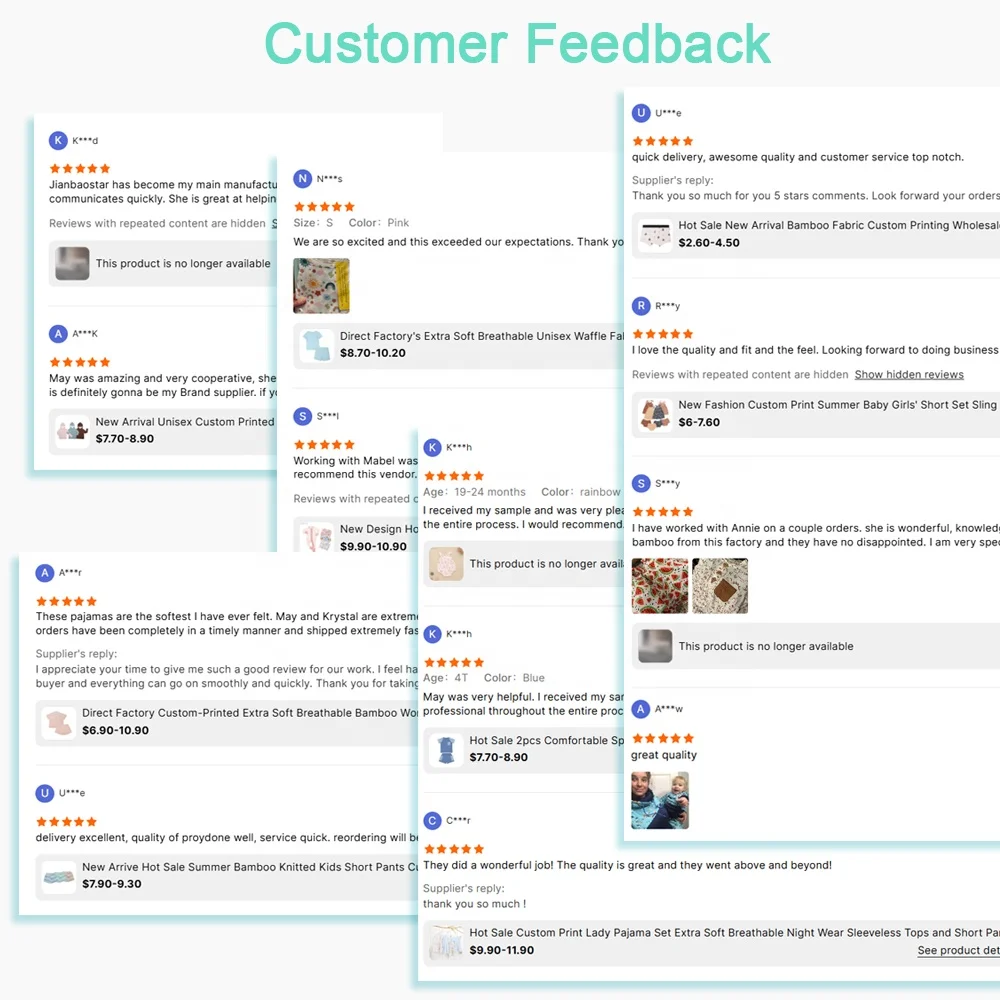
B2B Supply Chain Advantages
Partnering with a bluey bamboo factory direct eco-friendly baby clothing manufacturer offers significant benefits for B2B buyers. Customization, scalability, and timely delivery form the backbone of competitive wholesale operations. Key supply chain advantages include:
- Low MOQ: Emerging brands can start with minimal orders, reducing inventory risk.
- Private Labeling: Tailored branding options, including tags, logos, and packaging.
- Fast Lead Times: Efficient production cycles ensure prompt delivery to global markets.
- OEM/ODM Options: Fully customized designs to meet brand-specific requirements.
These advantages make bluey bamboo an attractive option for businesses aiming to differentiate themselves while upholding sustainability goals.
Bulk Orders and Customized Solutions
Businesses seeking high-quality baby clothing made from sustainable fabrics can collaborate with top-tier manufacturers for tailored solutions. From private labeling to bulk order inquiries, our team ensures optimal results and seamless supply chain integration. Contact us today to explore how we can support your brand’s growth with bluey bamboo factory direct eco-friendly baby clothing manufacturer services.