Reliable Baby Onesies Ethical Manufacturing: Overcoming Supply Chain Hurdles
Market Trends in Baby Onesies for Emerging Brands
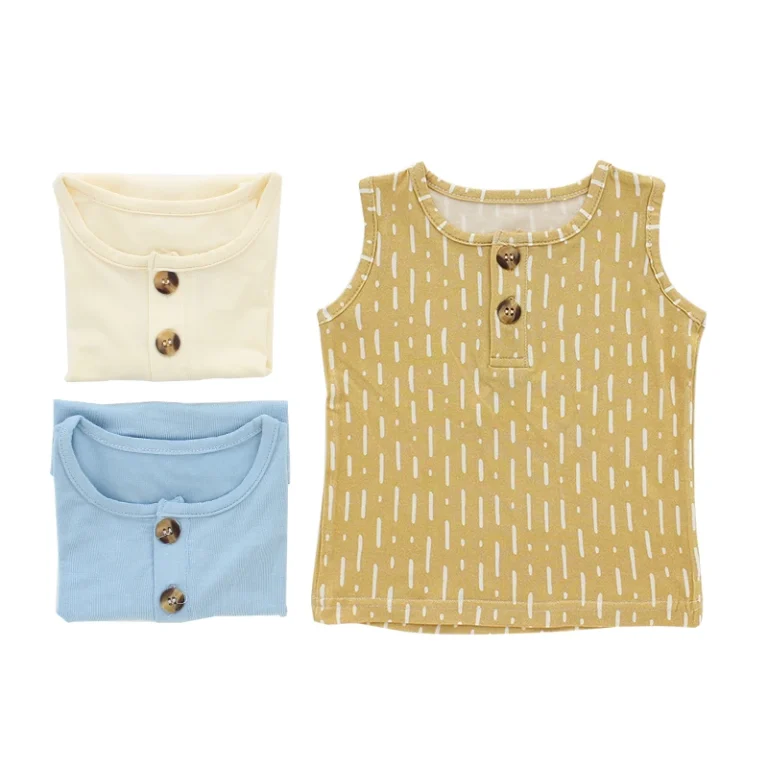
The global market for baby onesies continues to grow exponentially, fueled by increasing demand for eco-conscious and high-quality options. Babywear brands are increasingly looking for streamlined manufacturing approaches, such as baby onesies OEM and ODM custom babywear with low MOQ, to meet the needs of a rapidly evolving market while managing costs and ensuring product excellence. Key drivers include sustainability, versatile designs, and compliance with international safety standards.
Fabric Characteristics: Prioritizing Comfort and Safety
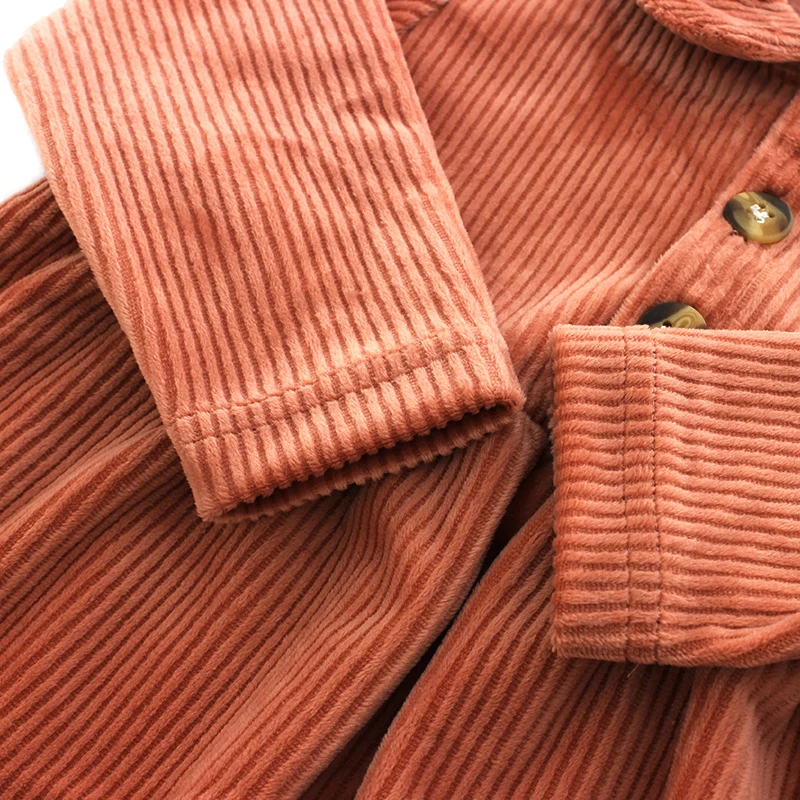
When selecting fabrics for baby onesies, comfort, durability, and breathability are paramount. Bamboo fiber viscose has emerged as a leader in this category due to its natural softness and eco-friendly profile. Other essential fabric properties include:
- Breathability: Ensures temperature regulation for babies, reducing overheating risks.
- Fabric Weight (GSM): Optimal GSM for baby onesies is typically between 160–220, offering a balance of lightweight comfort and durability.
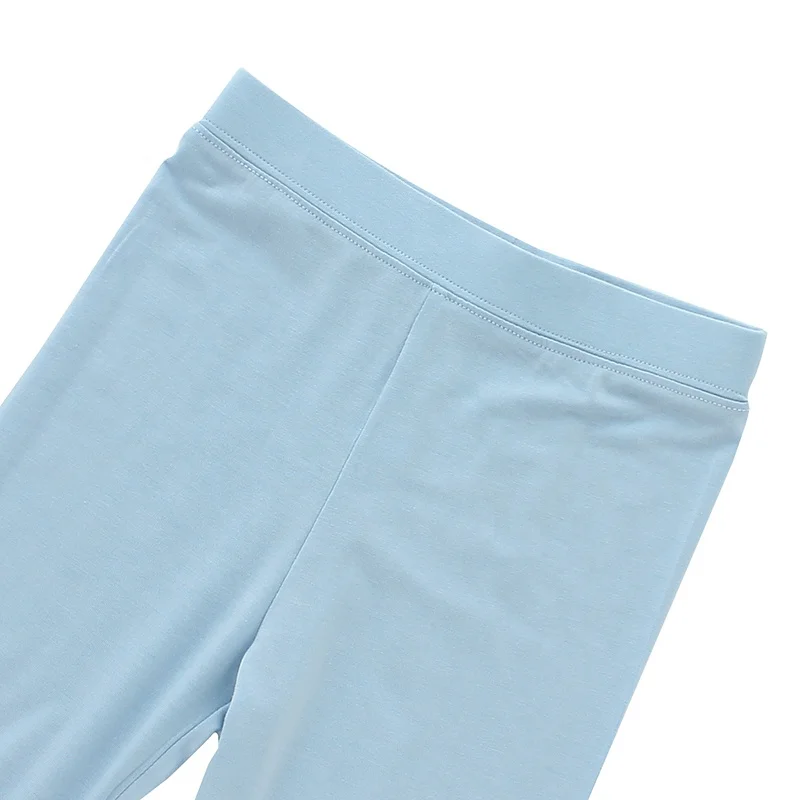
- Stretchability: Elastane blends allow the garments to move with the baby, offering greater freedom and comfort.
Materials certified by OEKO-TEX® Standard 100 or similar standards ensure the absence of harmful substances, providing peace of mind for brands and their consumers.
Production Processes: Ensuring Precision and Quality
Manufacturing baby onesies requires meticulous attention to detail, from fabric cutting to stitching and quality control. Key aspects include:
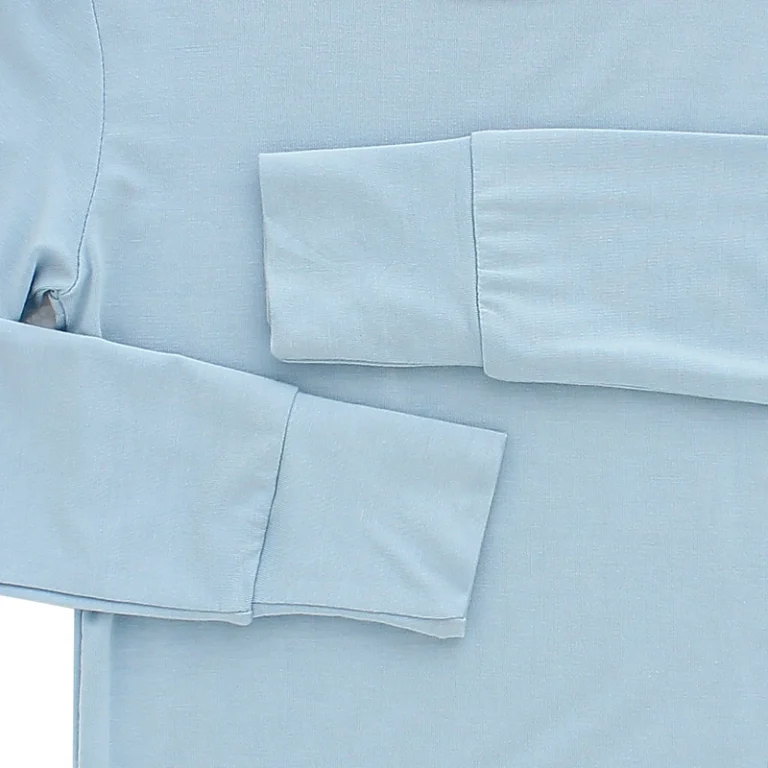
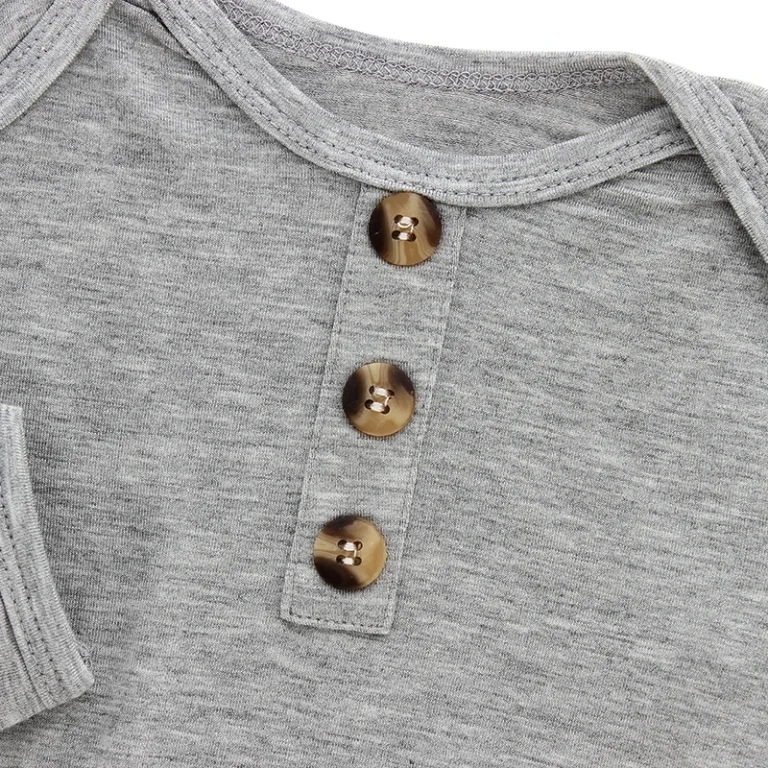
- Flatlock Seams: These reduce skin irritation and ensure a smooth fit for babies.
- Advanced Dyeing Techniques: Non-toxic dyes ensure vibrant colors without compromising safety.
- Quality Assurance: Multiple checkpoints, including stitching durability tests, ensure consistent product quality.
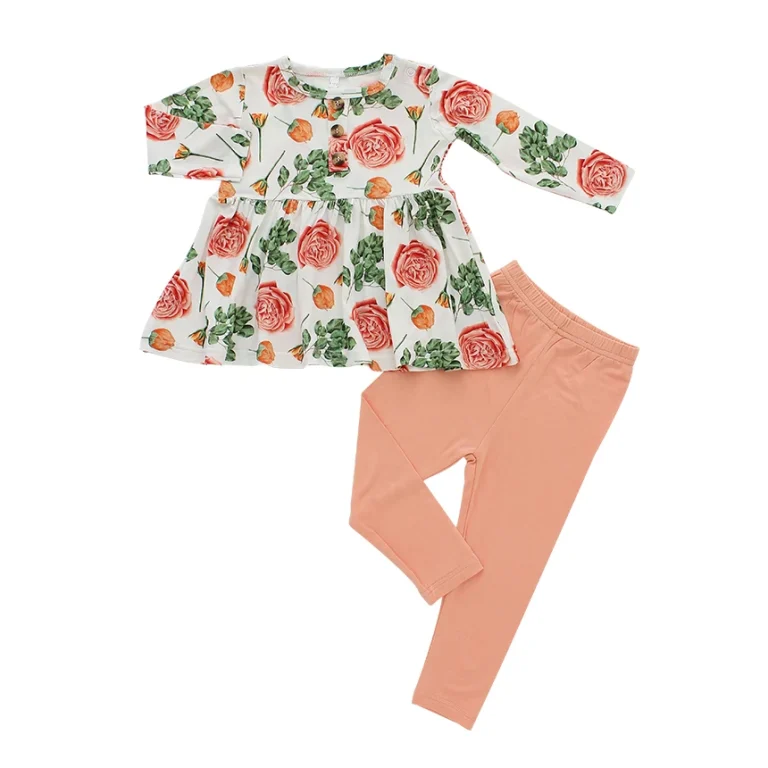
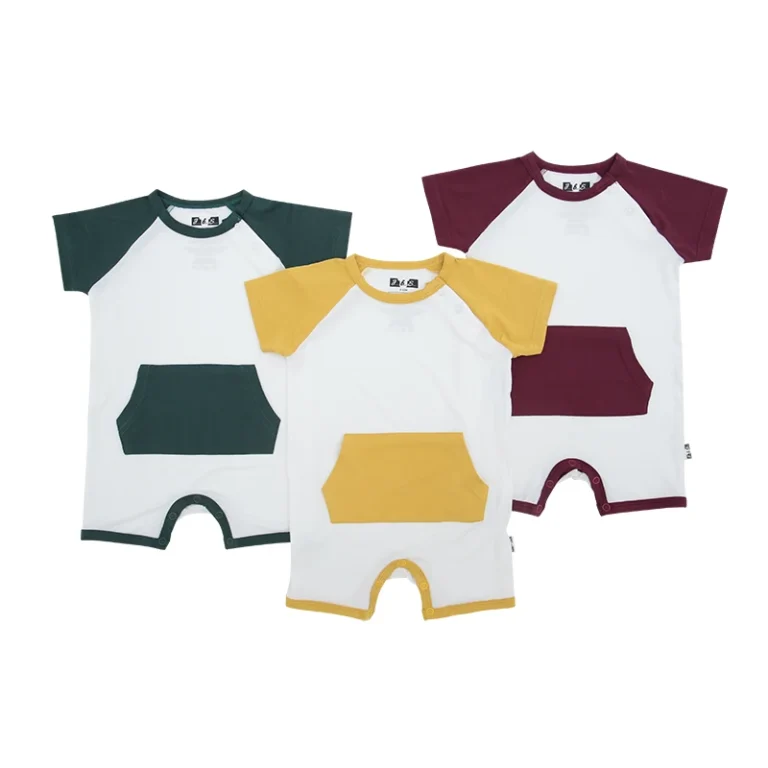
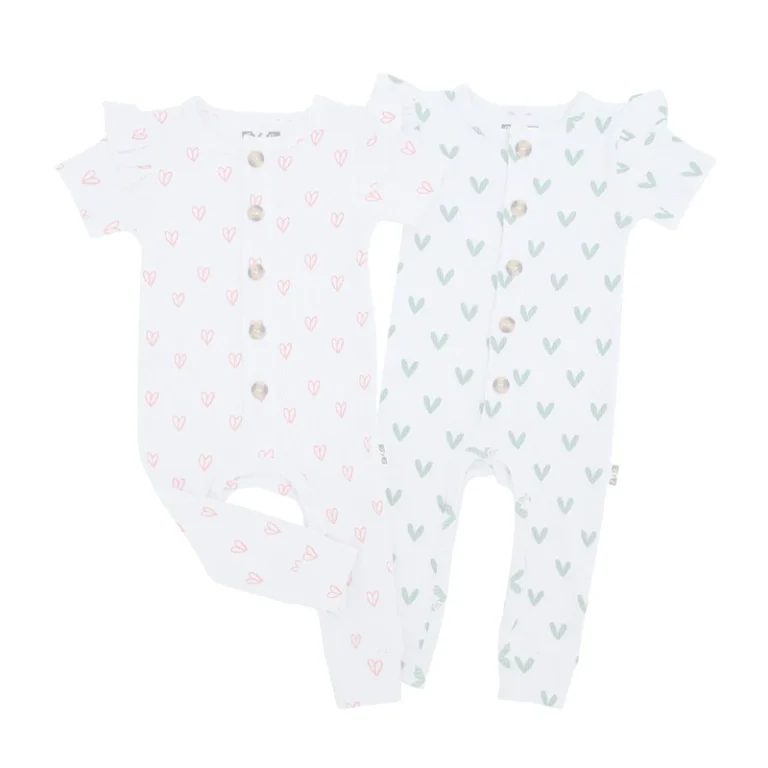
Additionally, OEM and ODM services allow brands to create custom designs tailored to their target audience’s preferences, such as embroidered logos, unique prints, or eco-conscious packaging.
Compliance with International Standards
International safety compliance is crucial for exporting babywear. Manufacturers must adhere to regulations such as:
- CPC Certification: Required for U.S. markets, ensuring compliance with the Consumer Product Safety Improvement Act.
- OEKO-TEX® Certification: Guarantees that fabric and production processes are free from harmful substances.
Collaborating with manufacturers that specialize in baby onesies OEM and ODM custom babywear with low MOQ can streamline compliance processes, reducing time-to-market for emerging brands.
B2B Supply Chain Advantages for Baby Onesies
Emerging brands often seek efficient supply chain solutions when sourcing baby onesies. Manufacturers offering low minimum order quantities (MOQs) and private labeling services provide significant benefits:
- Low MOQs: Ideal for startups and boutique retailers testing new product lines.
- Fast Turnaround Times: Shorter lead times help meet seasonal demands and promotional schedules.
- Private Labeling: Enables brands to maintain exclusivity and reinforce their identity.
By partnering with reputable OEM and ODM manufacturers, brands can access tailored solutions that align with their specific needs while optimizing costs and production efficiency.
If you’re looking for high-quality baby onesies OEM and ODM custom babywear with low MOQ, we offer customized solutions and bulk order inquiries to support your growth in the competitive babywear market. Reach out today to explore how we can help bring your brand’s vision to life.