Mass Production Bluey Bamboo Regulated Manufacturers Scalable Solutions for Big Brands
Market Trends in Bamboo Babywear
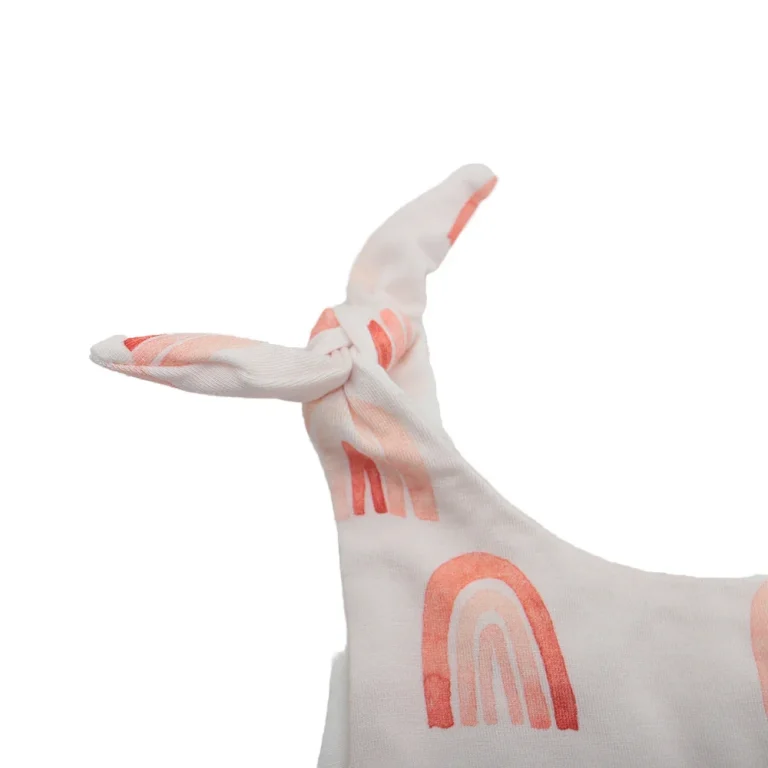
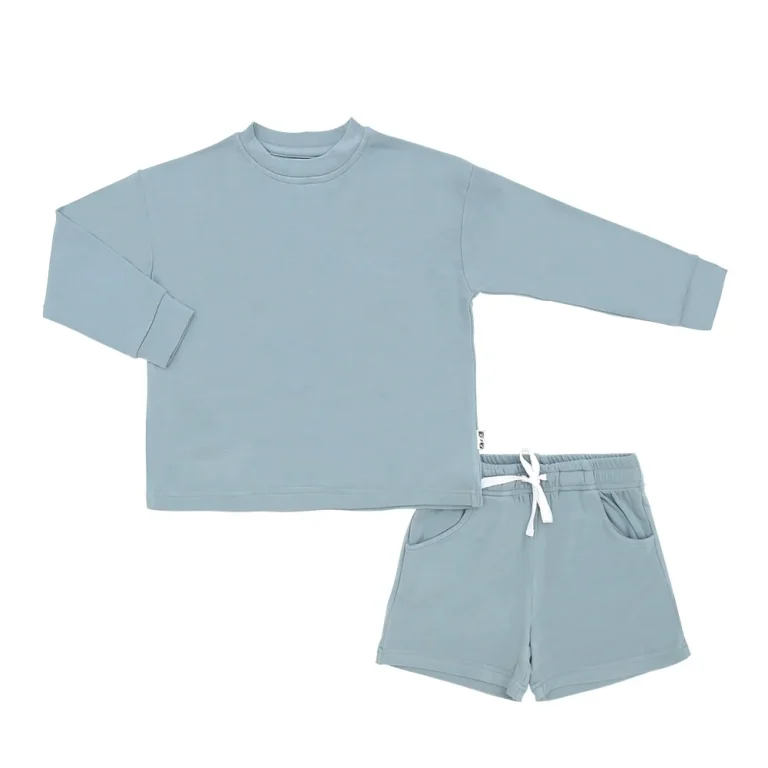
In recent years, the demand for sustainable and eco-friendly clothing has surged, particularly in the mother and baby sector. The growing preference for bamboo fabrics, such as bluey bamboo, reflects a shift towards renewable materials that offer comfort and functionality. Bamboo-based textiles, known for their softness and breathability, have become a cornerstone for emerging brands seeking to meet consumer expectations for both quality and sustainability.
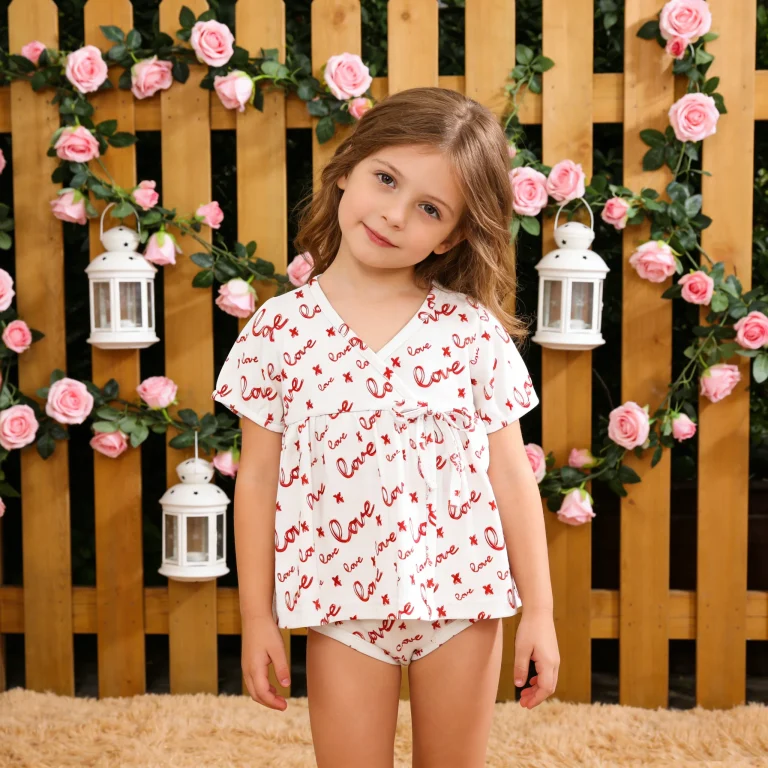
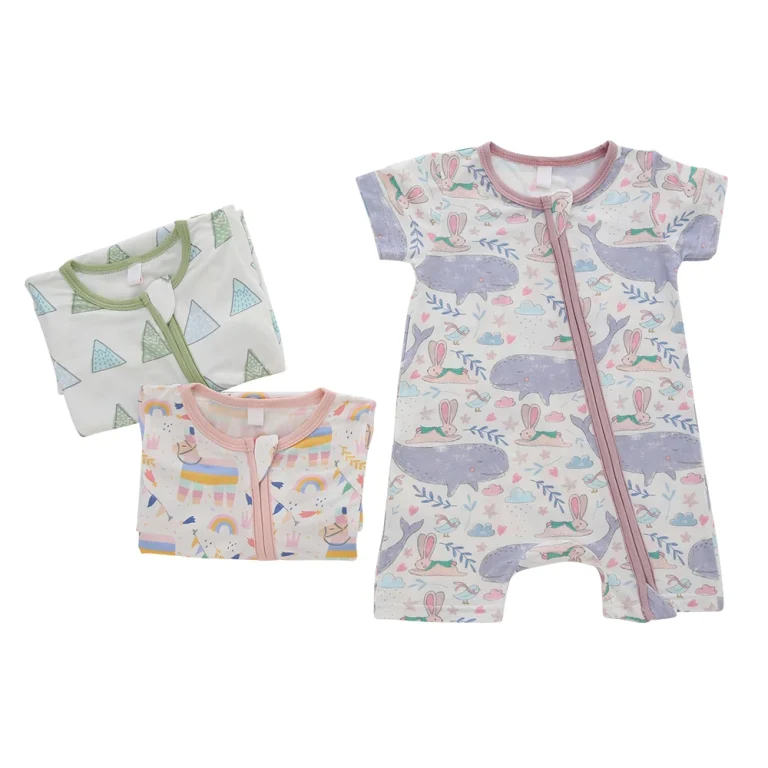
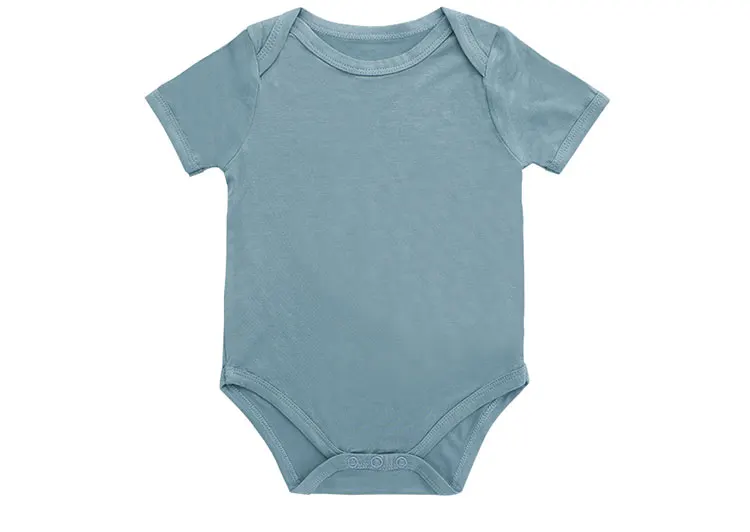
Brands and wholesalers are increasingly moving towards private label manufacturing that leverages bamboo as a core material. This trend presents opportunities for B2B partners to differentiate their offerings with innovative designs and eco-conscious credentials. The rise of bluey bamboo babywear reflects these evolving market dynamics, and companies leveraging OEM and ODM services are better positioned to meet these demands.
Fabric Characteristics: Quality and Performance
Bamboo fabrics, including those used in the production of bluey bamboo, are highly valued for their unique properties:
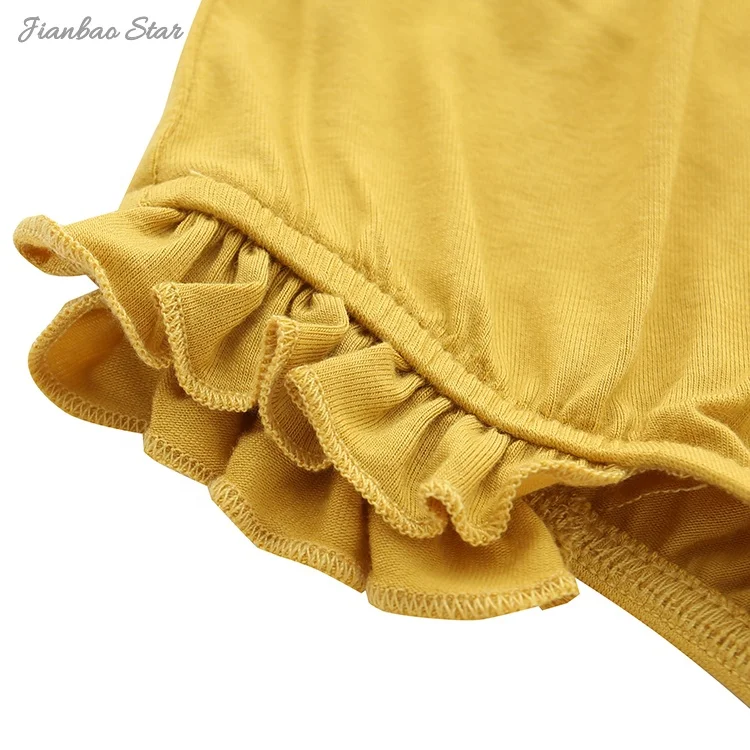
- Softness: Bamboo fibers are naturally smooth, making them ideal for sensitive baby skin.
- Breathability: The material is moisture-wicking, ensuring that babies remain dry and comfortable.
- Weight and Durability: Bamboo fabrics range in weight from 150-300 GSM, offering versatility for various garment types.
- Anti-bacterial Properties: Bamboo inherently resists odors and bacteria, contributing to enhanced hygiene.
- Eco-friendliness: Viscose derived from bamboo is biodegradable, making it a sustainable alternative to synthetic fabrics.
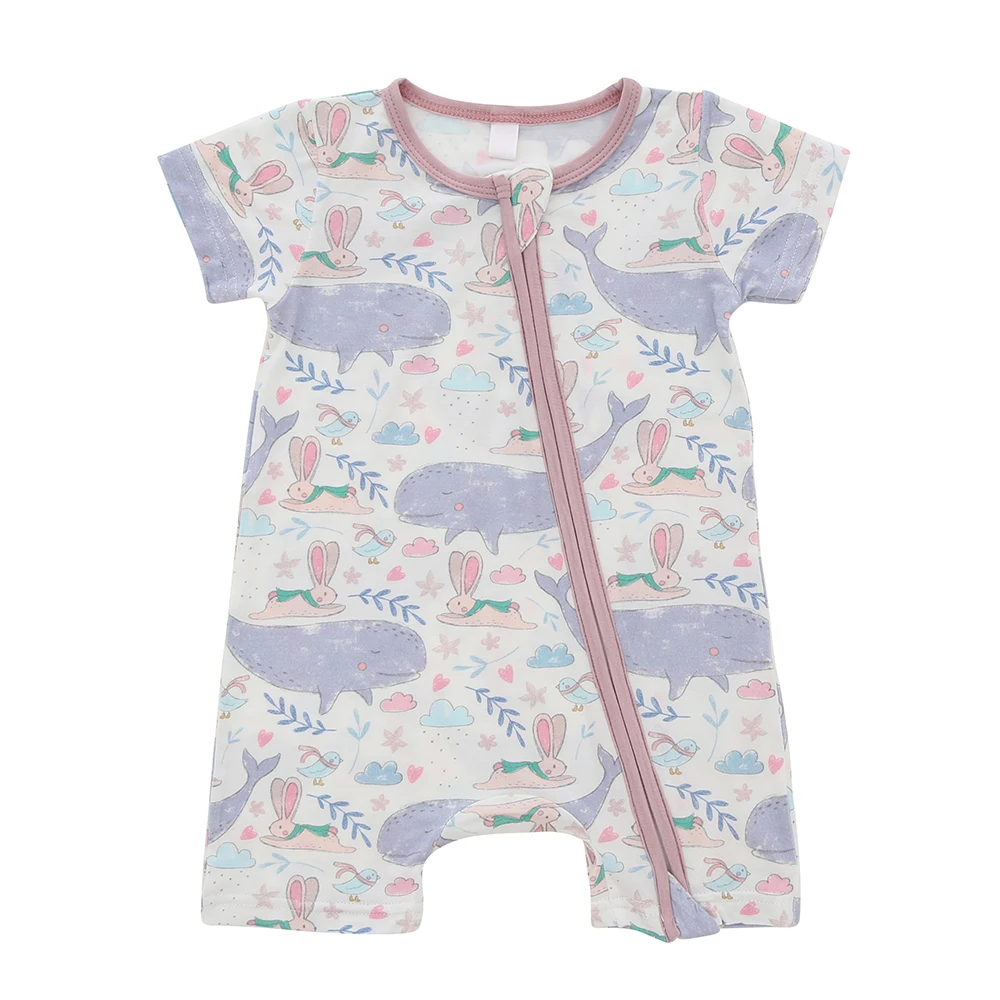
These qualities make bluey bamboo babywear not only highly functional but also appealing to environmentally conscious consumers.
Production Standards and International Compliance
For wholesalers and brands exploring B2B partnerships, compliance with international standards is non-negotiable. Reliable manufacturers of bamboo babywear adhere to certifications such as:
- OEKO-TEX Certification: Ensures no harmful substances are used in fabric production.
- CPC Compliance: Guarantees adherence to the Consumer Product Safety Commission regulations, a critical requirement for U.S. markets.
Additionally, working with factories equipped for private label production ensures that the final products meet stringent quality and safety criteria, mitigating risks for brand owners.
B2B Supply Chain Advantages
Partnering with an experienced manufacturer provides distinct advantages for B2B procurement:
- Low Minimum Order Quantities (MOQs): Emerging brands often face high financial barriers when entering the market. Flexible MOQs enable cost-effective entry.
- Efficient Lead Times: Established factories streamline production to meet strict delivery schedules.
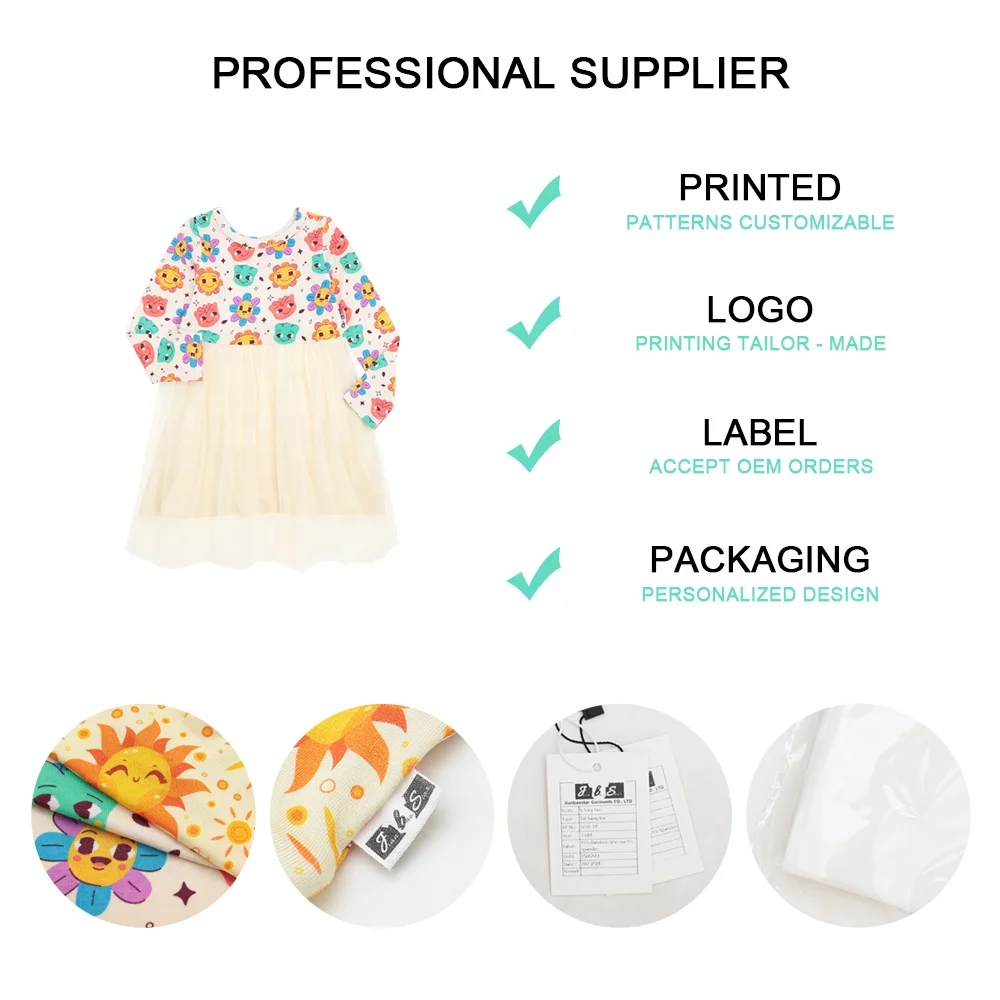
- Private Label Options: OEM and ODM services allow for customized branding, from labels to packaging.
- Scalable Production: As demand grows, manufacturers can increase production volumes without compromising quality.
These supply-chain efficiencies support sustainable growth and enhance brand competitiveness, particularly for companies seeking bluey bamboo OEM and ODM custom babywear with low MOQ.
For bulk order inquiries or to explore customized solutions tailored to your brand, contact our team to learn how we can help you succeed in the competitive bamboo babywear market.