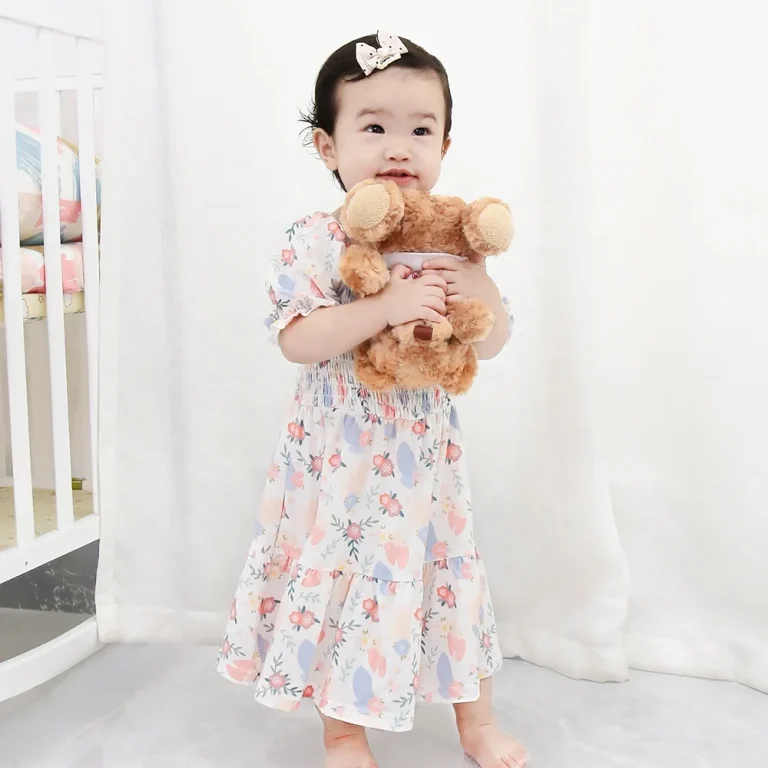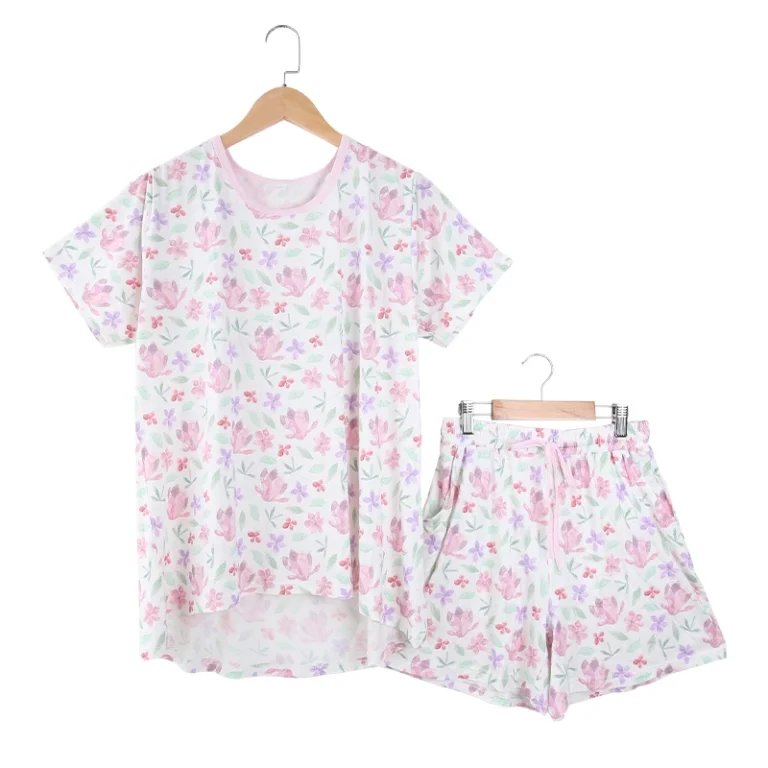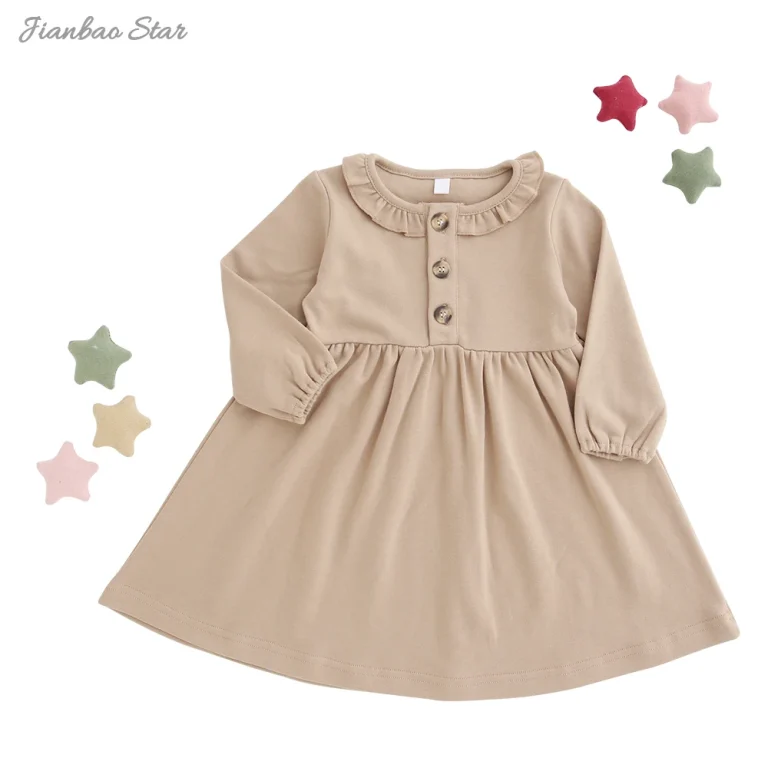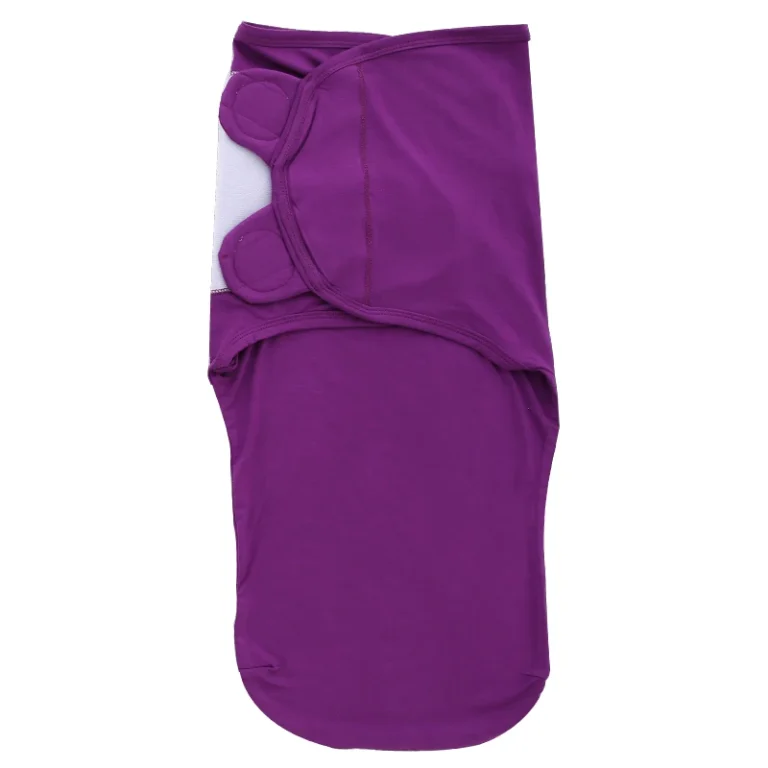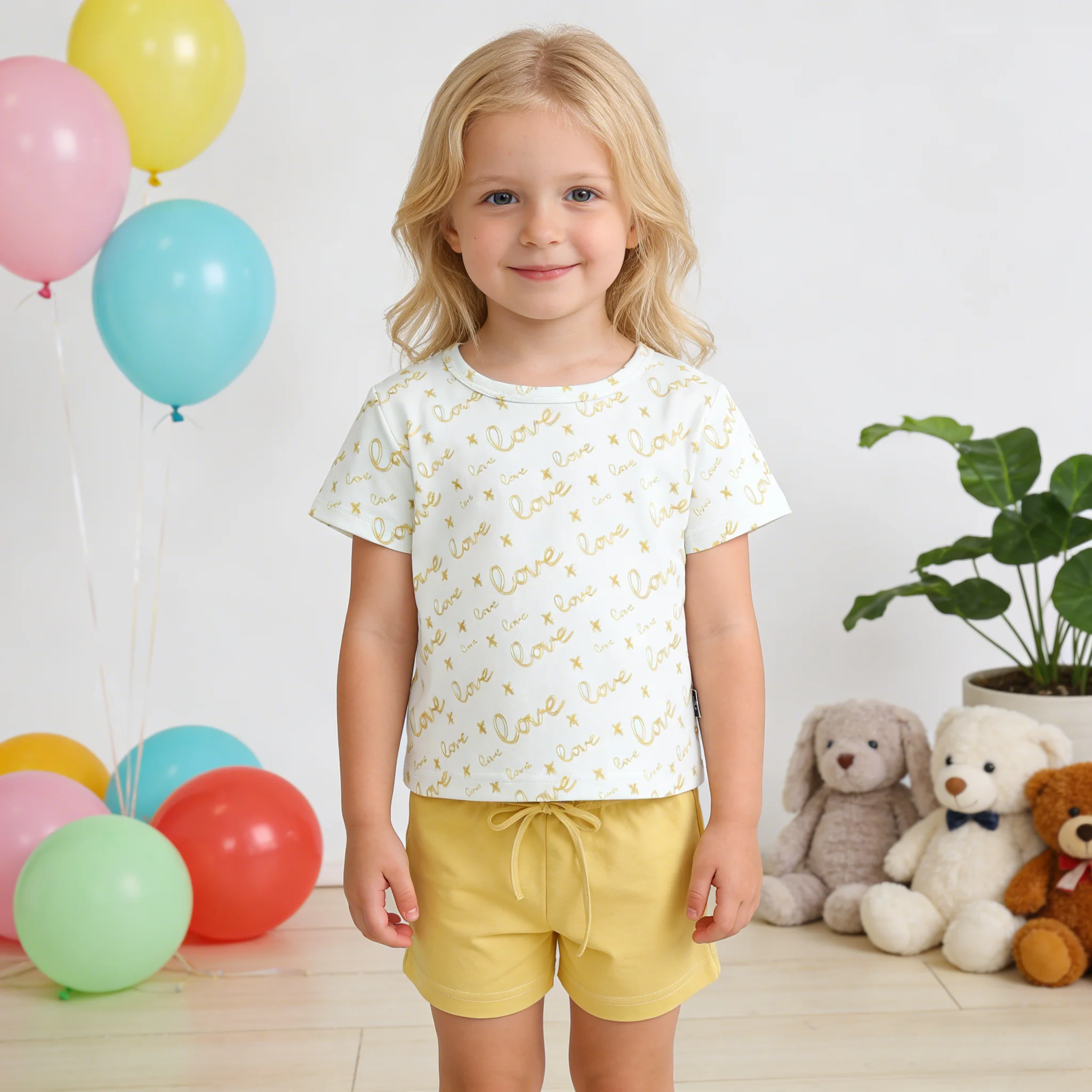
Bulk Wholesale Bamboo Daywear OEM/ODM Solutions Factory-Pricing
Market Trends in Bamboo Daywear
As global consumers increasingly seek sustainable and eco-friendly options for baby clothing, bamboo daywear has emerged as a leading choice. The worldwide demand for bamboo-based textiles is growing due to their natural softness, hypoallergenic properties, and superior breathability. Parents are prioritizing products that align with environmental values, making bamboo a popular alternative to conventional cotton or synthetic fabrics.
Additionally, bamboo’s rapid growth cycle, low water requirements, and minimal pesticide usage contribute to its status as a sustainable raw material. This trend indicates a strong business opportunity for wholesalers and brand owners seeking to expand their portfolios with responsibly manufactured baby clothing.
Material Properties and Fabric Specifications
Key Attributes of Bamboo Fabrics
- Breathability: Bamboo viscose is naturally breathable, ensuring optimal temperature regulation for babies during daywear.
- Softness: The silky texture of bamboo fabrics reduces skin irritation, making it ideal for sensitive baby skin.
- Weight: Typical bamboo daywear is crafted with fabric weights ranging from 160 GSM to 220 GSM, balancing durability with lightweight comfort.
- Eco-Friendly: Bamboo is biodegradable, renewable, and requires significantly less water for cultivation compared to cotton.
- Moisture Wicking: Bamboo daywear absorbs moisture effectively, keeping babies dry and comfortable throughout the day.
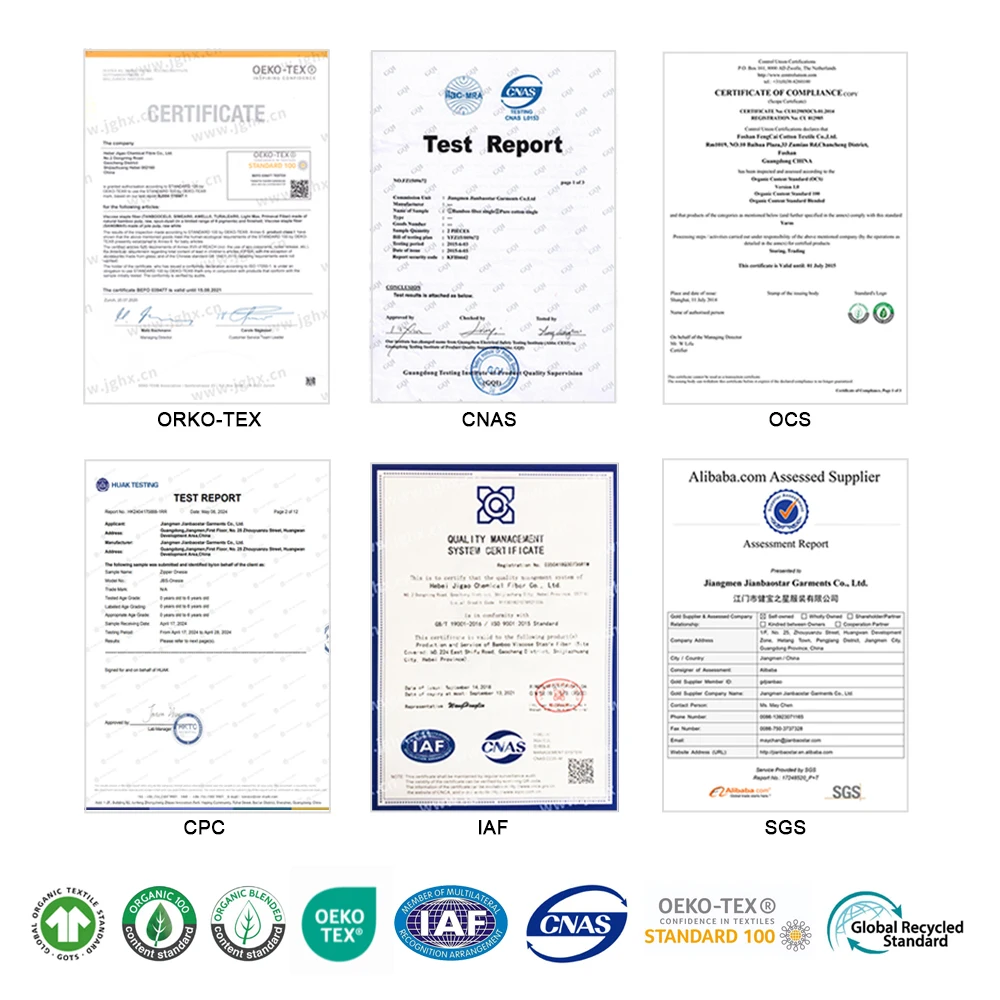
Certifications and Compliance
To meet international standards, manufacturers of bamboo daywear often adhere to certifications such as:
- CPC Certification: Ensuring compliance with United States Consumer Product Safety standards for baby clothing.
- OEKO-TEX Standard 100: Guaranteeing that textiles are free from harmful chemicals and safe for infant use.
- Global Organic Textile Standard (GOTS): Though bamboo itself is not classified as organic, responsible manufacturing practices align closely with GOTS principles.
These certifications not only enhance product credibility but also reassure distributors and parents about the safety and sustainability of the garments.
Production Processes and Supply Chain Advantages
Efficient Manufacturing Techniques
Bamboo fibers undergo a meticulous process to transform them into durable, breathable fabrics suitable for baby daywear. The production stages include:
- Fiber Extraction: Bamboo stalks are processed into cellulose for spinning viscose fibers.
- Weaving and Knitting: Advanced machinery ensures uniform fabric quality and consistent texture.
- Dyeing: Eco-friendly dyes are used to maintain sustainability while offering vibrant, baby-friendly colors.
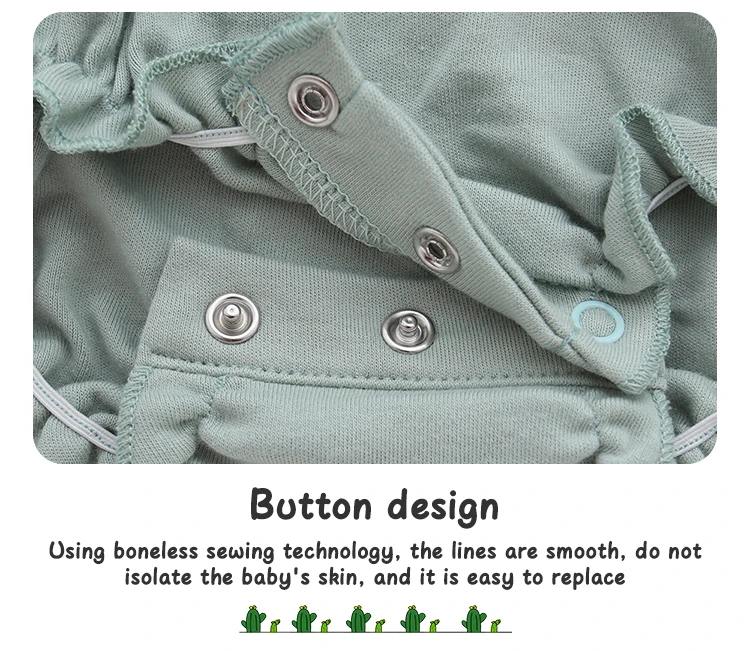
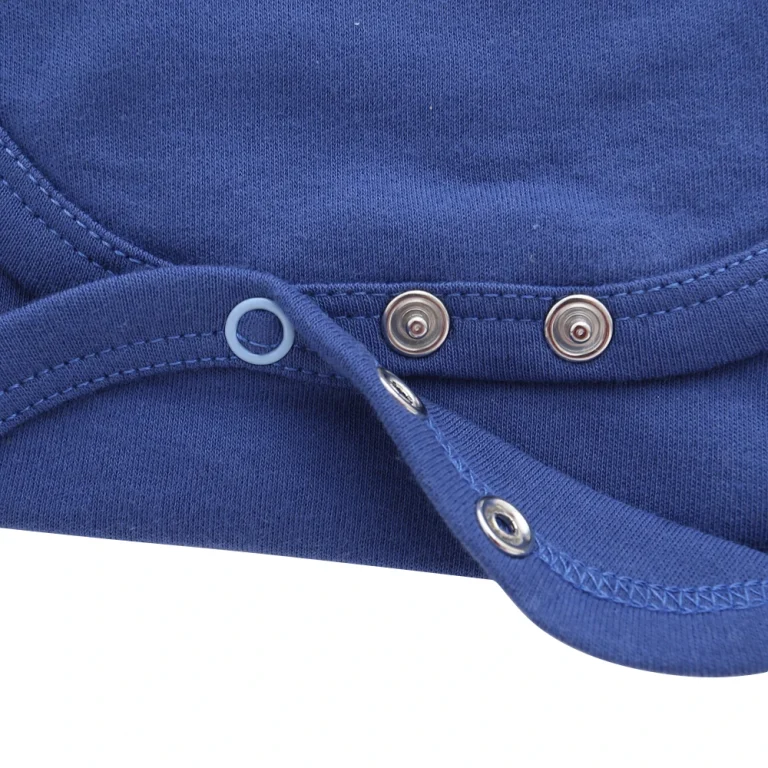
- Final Assembly: Garments are stitched with precision to meet strict quality standards.
B2B Supply Chain Advantages
Collaborating with a bamboo daywear factory direct eco-friendly baby clothing manufacturer brings significant benefits to wholesalers and private-label brands:
- Low Minimum Order Quantities (MOQs): Flexible order parameters allow emerging brands to grow while maintaining cost-effectiveness.
- Fast Lead Times: Streamlined production ensures timely delivery, even for bulk orders.
- Private Label Services: Manufacturers offer customizable solutions, including logo branding, packaging designs, and exclusive product specifications.
- Direct Factory Pricing: Eliminating intermediaries reduces costs, maximizing margins for distributors.
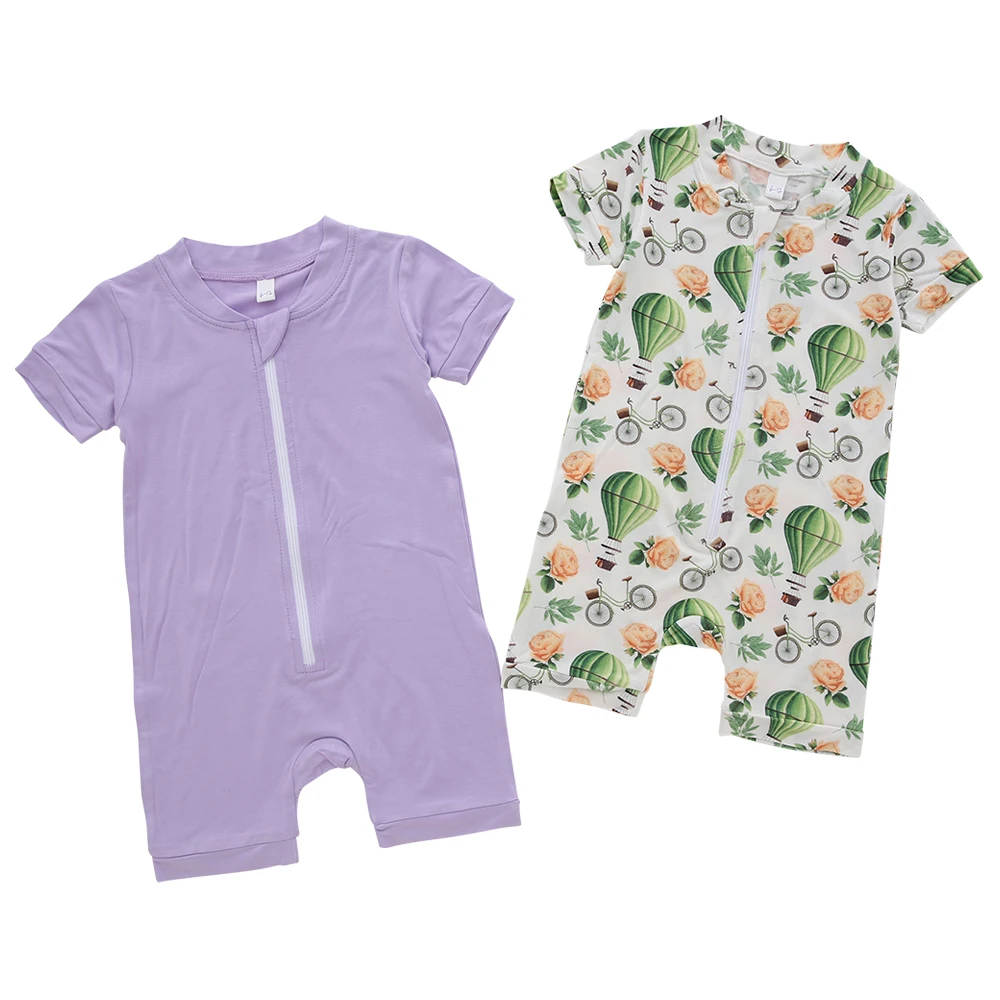
Why Partner with a Bamboo Daywear Manufacturer?
Choosing a dedicated bamboo daywear factory direct eco-friendly baby clothing manufacturer offers unmatched advantages in product quality, compliance, and market positioning. With expert craftsmanship, sustainable certifications, and customizable solutions, manufacturers provide B2B clients with the tools to succeed in the competitive babywear market.
For customized solutions or bulk order inquiries, connect with our team to explore tailored options for your brand.