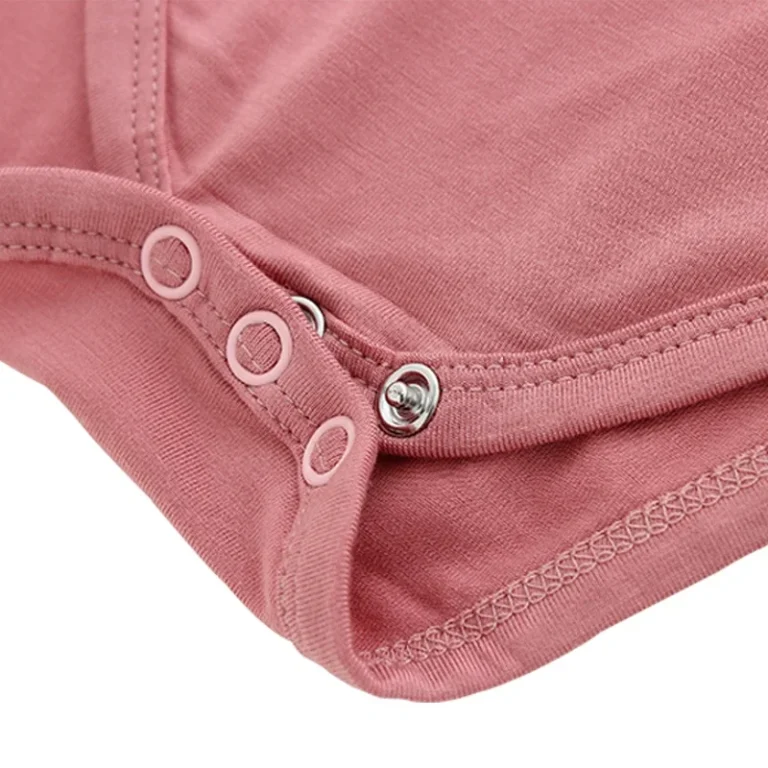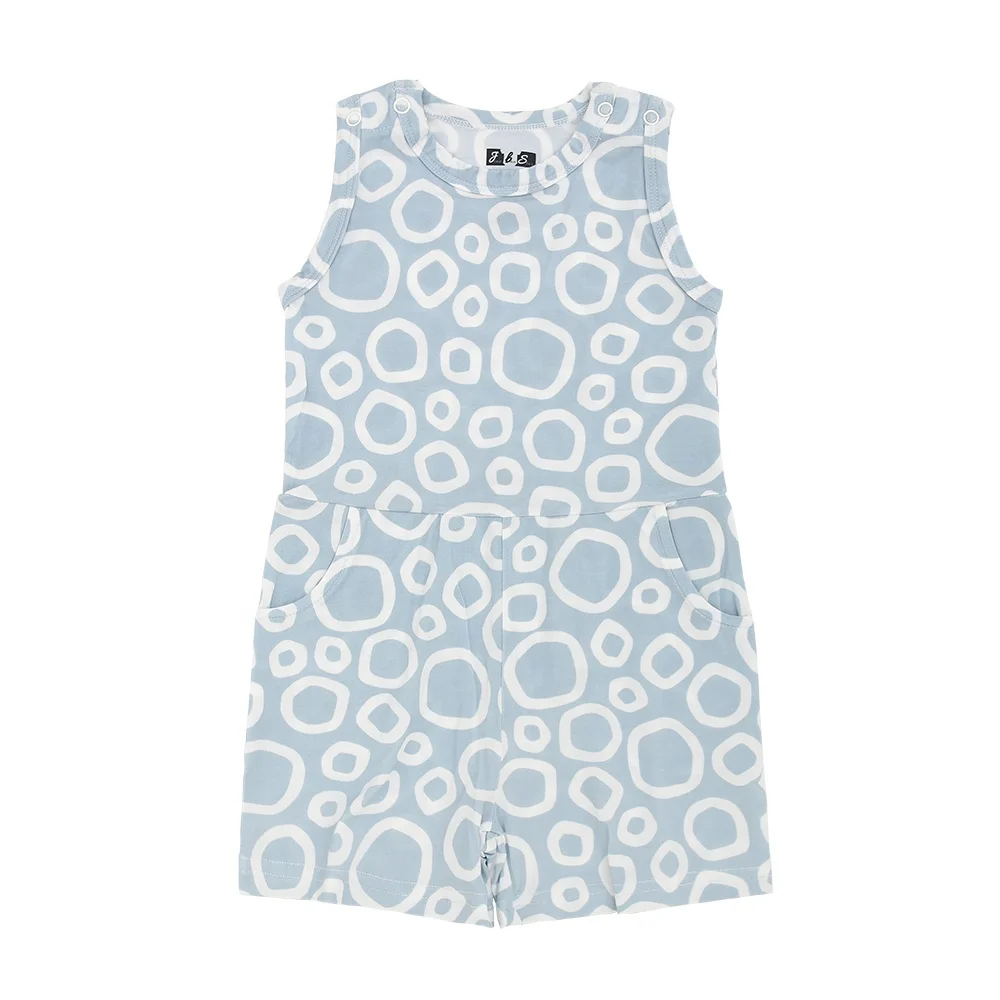
Best SGS Tested Bamboo Lovey Sampling Factories High-Volume Export Expert
The Rising Demand for Bamboo Lovey in the Baby Clothing Industry
As sustainability becomes a focal point in global manufacturing, bamboo lovey products are gaining significant traction among eco-conscious brands and distributors. Known for their unmatched softness and eco-friendly production process, these baby essentials have proven to be a superior choice for both parents and business stakeholders. This article explores the critical aspects of crafting bamboo lovey, from fabric specifications to international compliance, offering a deep dive into the opportunities for B2B buyers in the market.
Market Trends for Bamboo Fiber-Based Baby Products
The baby clothing industry has witnessed a significant shift towards sustainable materials, with bamboo fiber emerging as a preferred choice. This trend is driven by growing consumer awareness about environmental impact and demand for hypoallergenic fabrics that are gentle on sensitive skin. Bamboo lovey, characterized by its lightweight and breathable properties, aligns perfectly with these market expectations. B2B buyers, particularly distributors and private label brands, are capitalizing on this shift to offer high-quality bamboo-based products that cater to both functionality and sustainability.
Understanding Bamboo Fabric Specifications
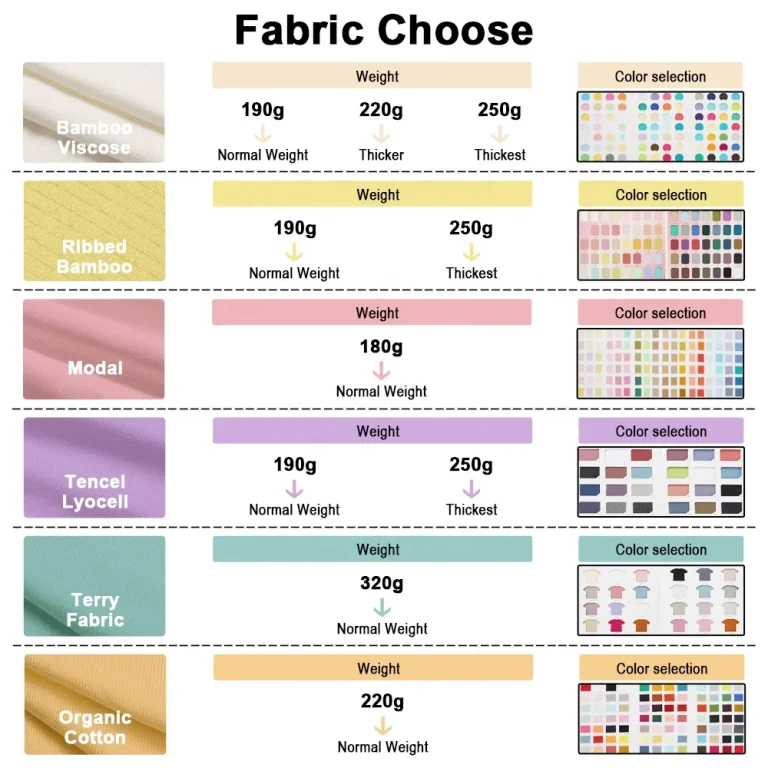
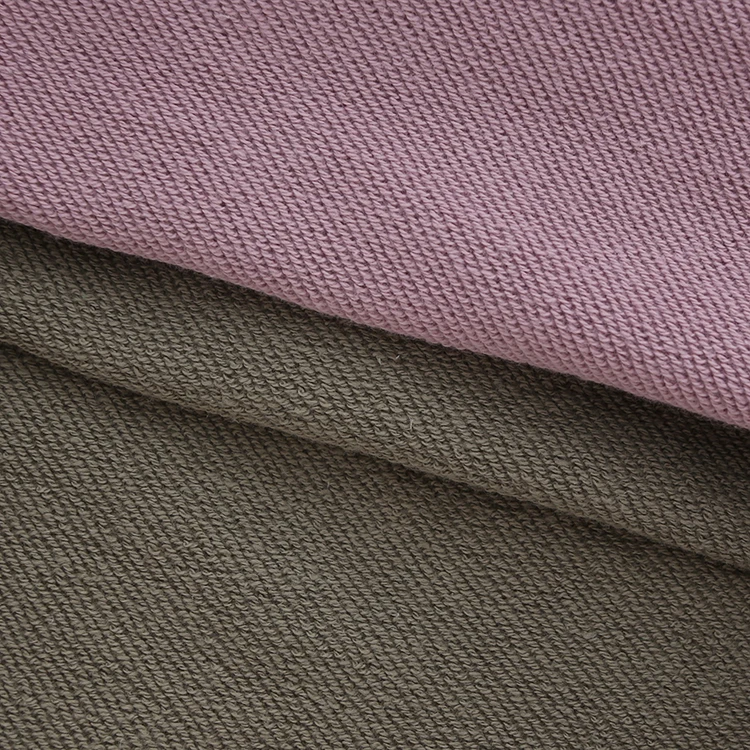
Bamboo fabric utilized in baby clothing, including bamboo lovey, is typically crafted using viscose derived from bamboo pulp. The fabric weight (grammage) is a defining characteristic, with common options ranging from 150 GSM to 220 GSM, ensuring durability while maintaining a soft texture. Key attributes such as moisture-wicking capacity and breathability make bamboo an ideal choice for baby products, providing comfort in various climates. The natural antibacterial properties of bamboo also ensure a safer and more hygienic experience for infants.
Production Processes and Quality Standards
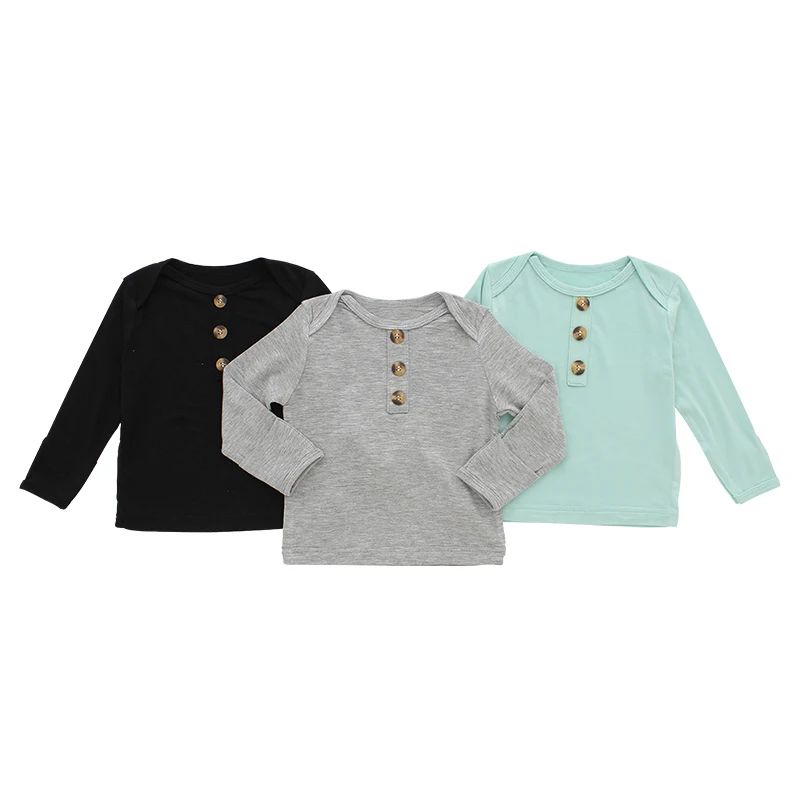
The manufacturing of bamboo lovey factory direct eco-friendly baby clothing manufacturer products is a meticulous process that combines advanced technology with stringent quality control. Key production steps include:
- Raw Material Sourcing: Bamboo is cultivated using minimal chemical intervention, ensuring its eco-friendly nature.
- Fabric Conversion: Bamboo pulp is processed into viscose and woven into soft, durable textiles.
- Dyeing and Printing: Non-toxic, OEKO-TEX-certified dyes are used to cater to safety standards.
- Cutting and Sewing: Precision cutting techniques are employed for consistent product dimensions and designs.
These processes are backed by certifications such as CPC (Children’s Product Certificate) and OEKO-TEX Standard 100, ensuring compliance with international safety and environmental benchmarks.
Advantages of a Factory-Direct Supply Chain
For distributors and private label brands, engaging with a bamboo lovey factory direct eco-friendly baby clothing manufacturer offers numerous advantages:
- Low Minimum Order Quantities: Manufacturers typically provide flexible order terms, allowing for scalability based on market demand.
- Rapid Turnaround Times: Direct relationships eliminate intermediaries, expediting production and delivery processes.
- Private Label Opportunities: Customized designs, branding, and packaging options ensure unique product offerings tailored to specific markets.
- Cost Efficiency: Factory-direct pricing reduces overheads, maximizing profitability for B2B buyers.
These benefits allow businesses to maintain a competitive edge while meeting consumer expectations for quality and sustainability.
Why Eco-Friendly Certification is Crucial
In the current market landscape, certifications such as OEKO-TEX Standard 100 and CPC aren’t just added value—they’re a necessity. These ensure that bamboo textiles are free from harmful substances and safe for infant use. Brands partnering with certified manufacturers can confidently market their products as both premium and eco-friendly, aligning with consumer trust and regulatory compliance.
For bulk order inquiries or customized solutions for your baby clothing line, reach out to our team. Partnering with an experienced manufacturer ensures optimal quality, competitive pricing, and eco-conscious production tailored to your brand’s needs.