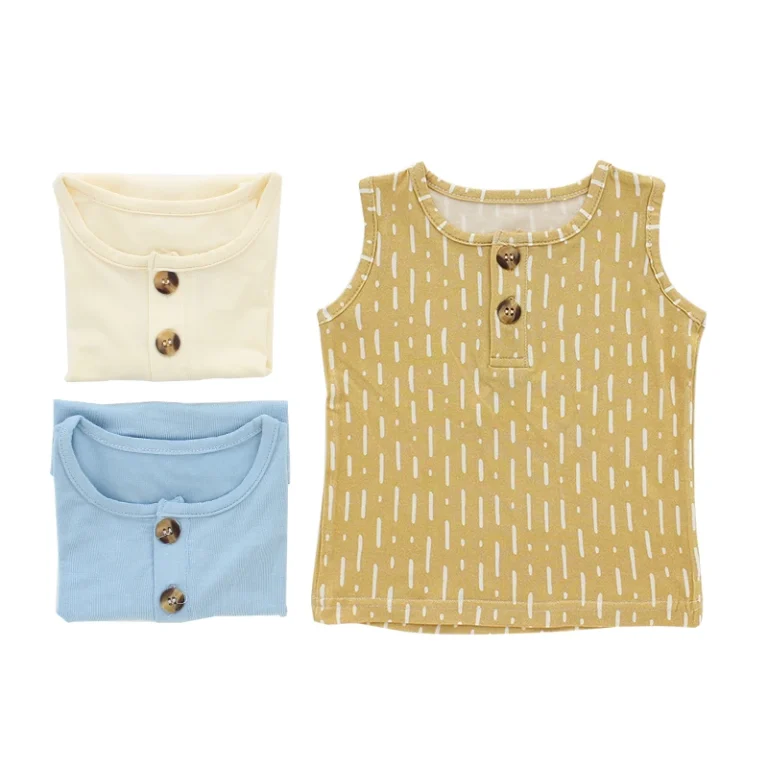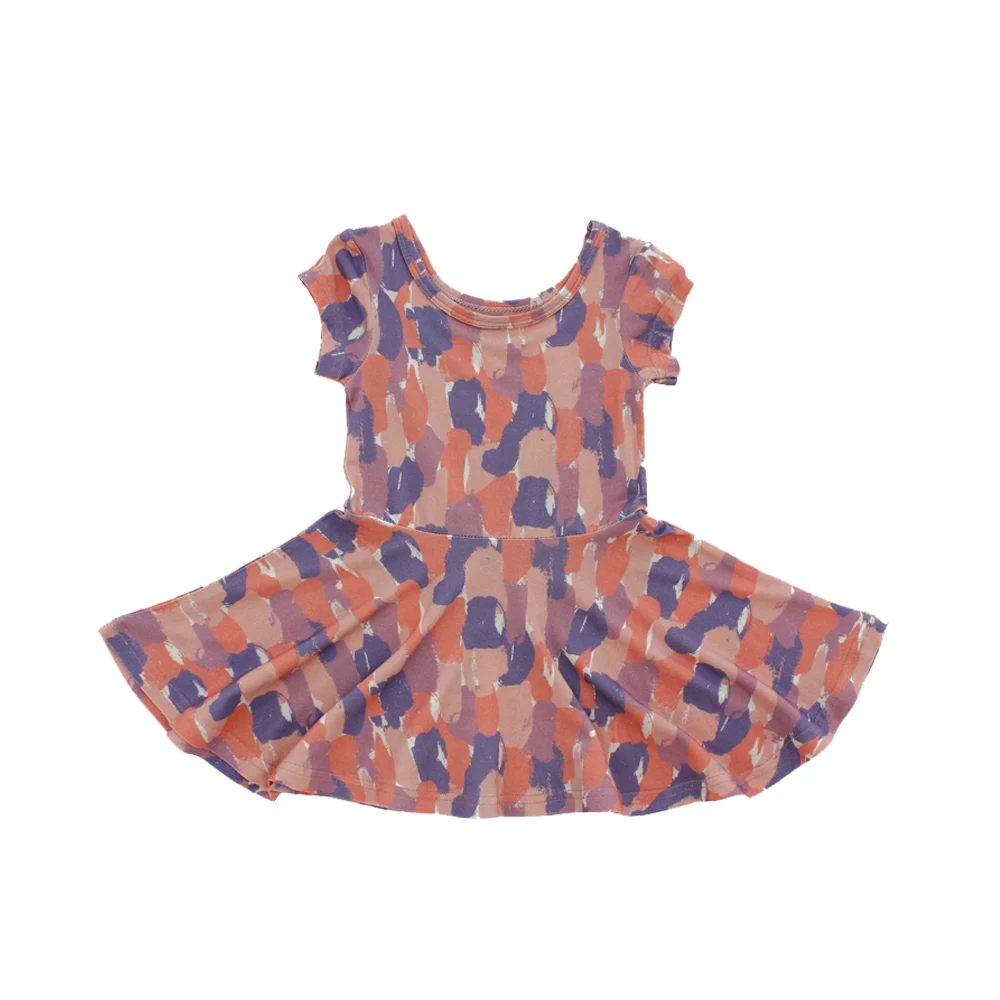
Bamboo Baby Clothes OEM/ODM Specialist Factories
The Growing Market for Bamboo Baby Clothes: A Sustainable Choice for B2B Buyers
The demand for sustainable and eco-friendly babywear has witnessed remarkable growth over the past decade. Among the leading contenders in this market, bamboo baby clothes have emerged as a preferred choice for discerning parents and retailers alike. Known for their exceptional softness, breathability, and sustainability, bamboo-based fabrics offer a unique combination of comfort and performance while adhering to strict environmental standards. For brands and bulk purchasers, understanding the market trends, product specifications, manufacturing processes, and global compliance requirements is critical to making informed sourcing decisions.
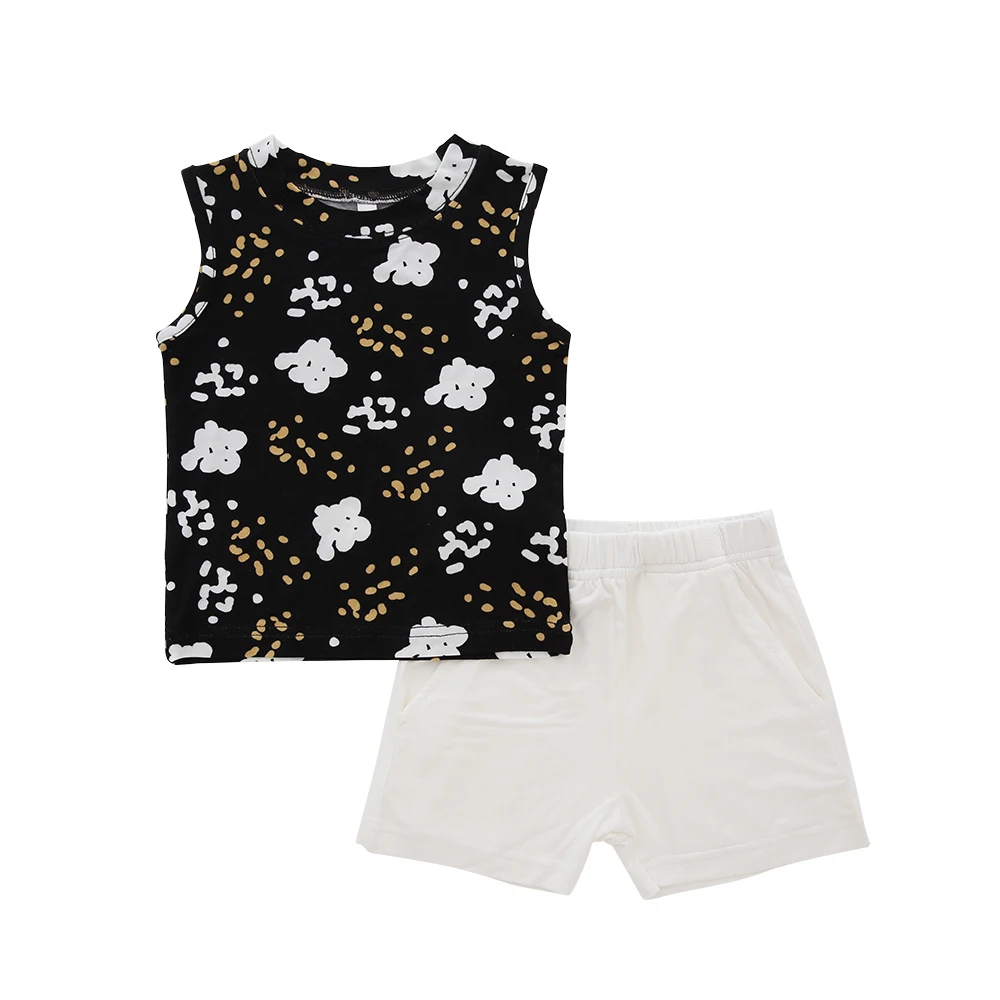
Why Bamboo Baby Clothes Are Becoming a Staple in the Market
Market Trends in Sustainable Babywear
The global baby clothing market is projected to grow at a compound annual growth rate (CAGR) of 5.7% over the next five years, driven by increasing consumer awareness around eco-friendly and sustainable products. Parents are prioritizing comfort and safety for their infants while also seeking environmentally responsible solutions. Bamboo fabric fits this niche perfectly, as it is not only biodegradable but also requires significantly less water and pesticide use compared to conventional cotton.
Unique Material Properties
Bamboo baby clothes stand out due to the distinct qualities of bamboo fibers. Key attributes include:
- Softness: Bamboo fibers are naturally smooth and round, leading to incredibly soft textiles that are ideal for sensitive baby skin.
- Breathability: Bamboo fabric is highly breathable, helping regulate body temperature and wick moisture away, which is especially important for infants prone to overheating.
- Antibacterial Properties: Bamboo contains natural antimicrobial bio-agents, providing resistance against odor and bacteria.
- Durability: Bamboo-derived viscose has a high tensile strength, ensuring that garments maintain their structure and softness even after multiple washes.
Manufacturers typically produce bamboo baby clothes using fabric weights between 180-220 GSM (grams per square meter), ensuring a balance between lightweight comfort and long-lasting durability.
Manufacturing Standards and Compliance
International Certifications
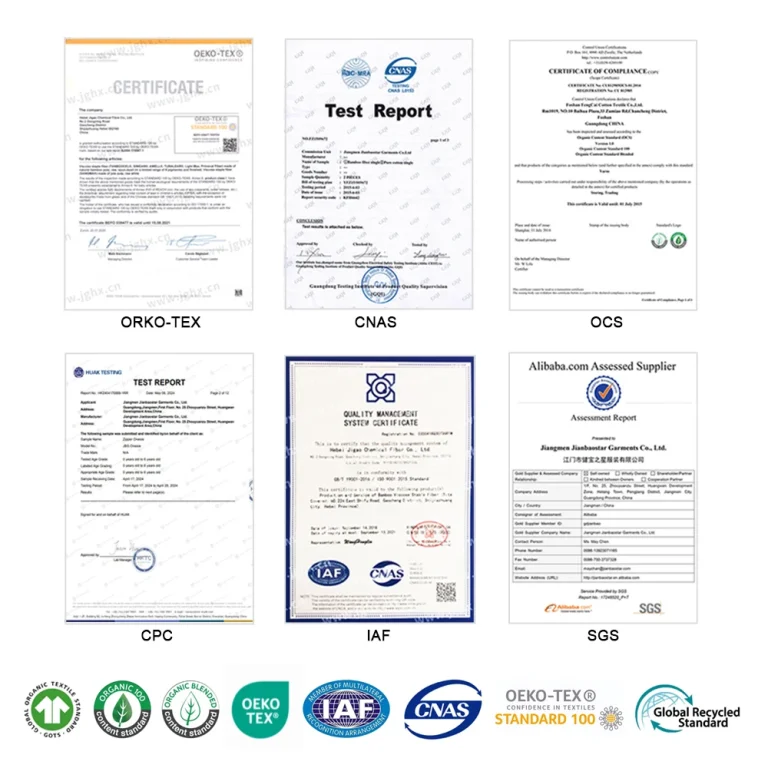
One of the key factors influencing buyer decisions in the babywear industry is compliance with global safety and sustainability standards. For example, bamboo baby clothes premium oeko-tex standard 100 certified bamboo clothing signifies that the garments have been rigorously tested for harmful substances and are safe for direct contact with sensitive baby skin.
In addition to OEKO-TEX certification, major markets like the USA require compliance with the Consumer Product Safety Commission (CPSC) standards, including guidelines for flammability, lead content, and chemical safety. Buyers should prioritize suppliers who ensure compliance with these international certifications to avoid quality risks and failed audits.
Advanced Production Processes
High-quality bamboo baby clothes are produced through state-of-the-art manufacturing techniques. Processes such as enzyme treatment ensure the bamboo fibers are converted into soft viscose while maintaining their natural antimicrobial properties. Furthermore, advanced knitting and dyeing technologies ensure colorfastness without compromising the fabric’s integrity.
Eco-conscious suppliers also adopt sustainable practices, such as closed-loop systems in the production process. These systems recycle water and minimize chemical discharge, aligning with the values of green manufacturing.
B2B Supply Chain Benefits and Customization Options
Low Minimum Order Quantities (MOQs)
For emerging brands and small-to-medium enterprises (SMEs), one of the biggest challenges is finding suppliers that align with their budget constraints. Leading bamboo baby clothing manufacturers offer flexible MOQs, allowing smaller brands to enter the market without significant upfront investment. This flexibility makes it viable for new businesses to test the market with small production runs.
Private Label and OEM/ODM Capabilities
Bulk buyers often look for customization options to differentiate their products. Established manufacturers provide private label and OEM/ODM services, enabling buyers to choose from fully customizable designs, packaging, and branding. This allows businesses to create unique product lines that resonate with their target audience.
Efficient Lead Times
Timely delivery is crucial for maintaining supply chain efficiency and meeting market demands. Reputable factories utilize automated production techniques and robust logistics networks to ensure swift lead times while maintaining high product quality standards. Buyers should seek partnerships with suppliers offering transparent communication throughout the production and shipping process.
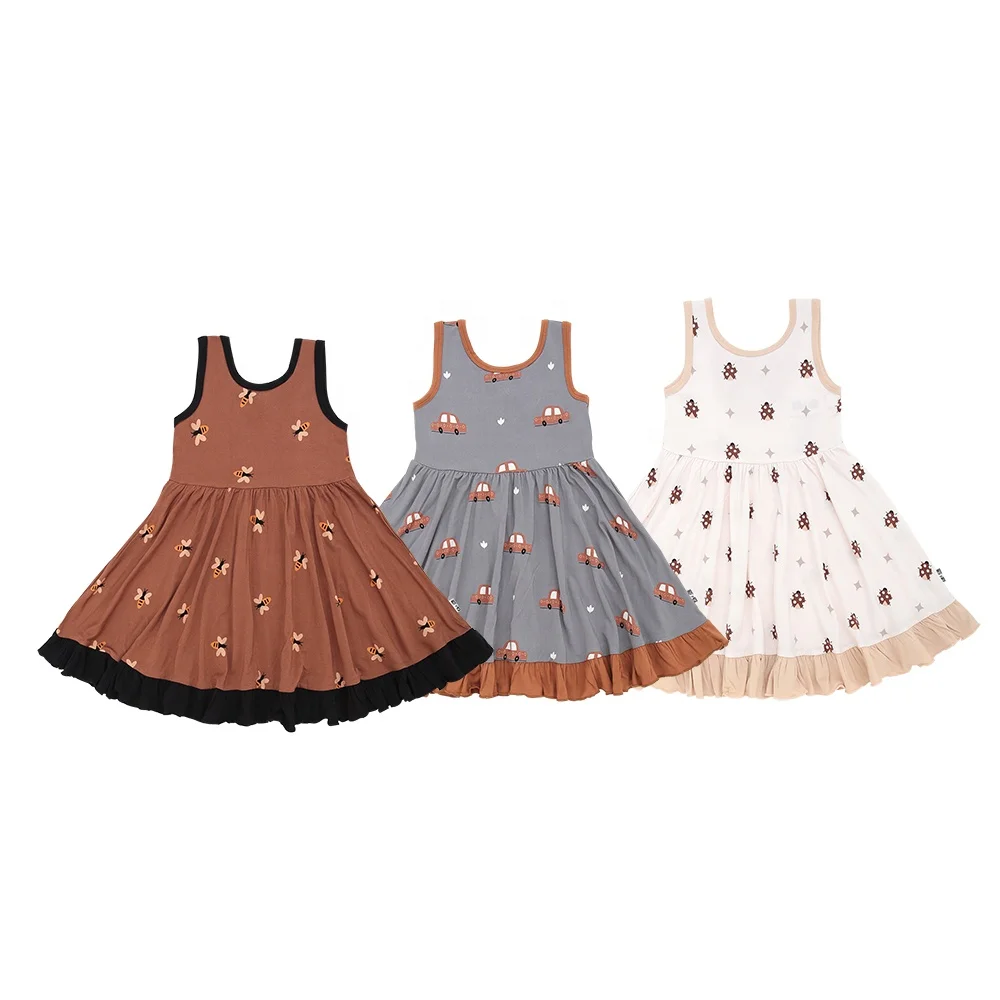
The Competitive Advantage of Bamboo Baby Clothes for Bulk Buyers
In a competitive market, offering high-quality, sustainable products gives businesses a significant edge. Bamboo baby clothes premium oeko-tex standard 100 certified bamboo clothing not only meet stringent safety standards but also provide value-added features such as antimicrobial properties, softness, and durability. Bulk buyers and brand owners can leverage these advantages to create premium product lines that resonate with eco-conscious consumers.
If you’re seeking a reliable manufacturing partner with expertise in producing bamboo baby clothes, we offer customized solutions tailored to your brand’s needs. From low MOQs to private label services and rapid delivery cycles, our factory ensures every garment meets the highest standards of quality and compliance. Contact us for bulk order inquiries and let us support your journey in building a successful babywear brand.