Fast Lead-Time Baby Clothes Manufacturer Best Manufacturers Low MOQ Factory
Exploring the Essentials of a Reliable Baby Clothes Manufacturer
The global demand for baby clothing continues to grow, driven by a heightened focus on sustainability, comfort, and safety. For brands and retailers, partnering with a trustworthy baby clothes manufacturer is critical to delivering high-quality products that meet market expectations and regulatory compliance. This article delves into key factors that define a reliable manufacturing partner, including material specifications, production processes, certifications, and supply chain advantages.
Market Trends: Sustainability and Comfort in Babywear
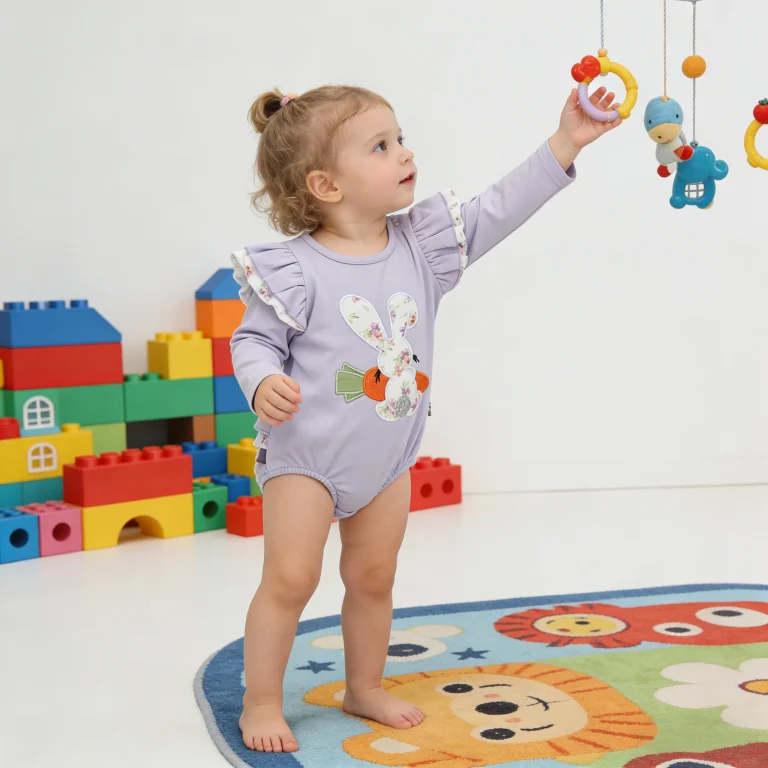
Today’s consumers prioritize eco-friendly and skin-safe fabrics for their children. Bamboo fiber, known for its softness, breathability, and antimicrobial properties, has emerged as a preferred material for babywear. It offers superior moisture-wicking capabilities while maintaining a luxurious feel, making it ideal for sensitive skin. Manufacturers are increasingly adopting sustainable practices, including OEKO-TEX certified fabrics, to ensure environmental and safety standards.
Material Specifications: Choosing the Right Fabric and Weight
The choice of fabric and its specifications greatly influence the functionality and comfort of baby clothing. Key considerations include:
- Fabric Type: Bamboo viscose, cotton, and organic blends are popular options for babywear due to their softness and hypoallergenic properties.
- Weight: The fabric’s GSM (grams per square meter) determines its thickness and durability. For babywear, lighter GSM fabrics (150-250 GSM) allow for breathability without compromising warmth.
- Elasticity: Elastane blends provide stretchability, ensuring ease of movement for active infants.
Production and Quality Control Processes
An efficient production process ensures timely delivery and product consistency. A reliable baby clothes manufacturer implements rigorous quality control systems at each stage. Here are some key practices:
- Pattern Design: Accurate cutting and pattern-making ensure a perfect fit for various age groups.
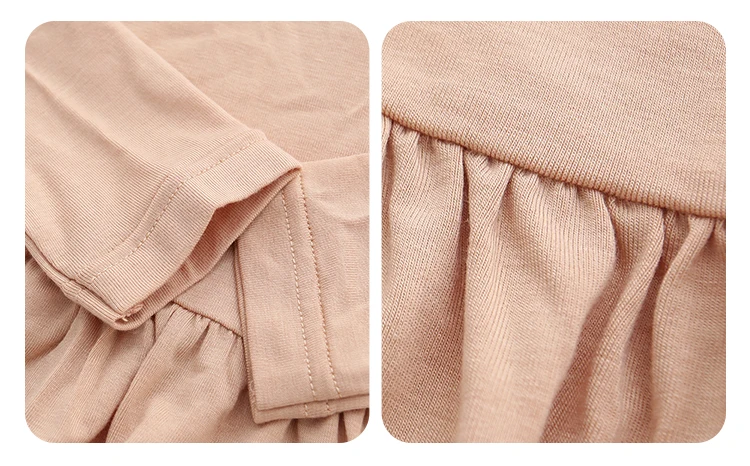
- Stitching: Reinforced seams enhance durability, while flatlock stitching minimizes skin irritation.
- Dyeing: Non-toxic, water-based dyes are preferred for babywear to prevent allergic reactions.
- Inspection: Comprehensive inspections, including visual checks and performance tests, ensure every garment meets quality standards.
Certifications and Compliance: Ensuring Safety and Trust
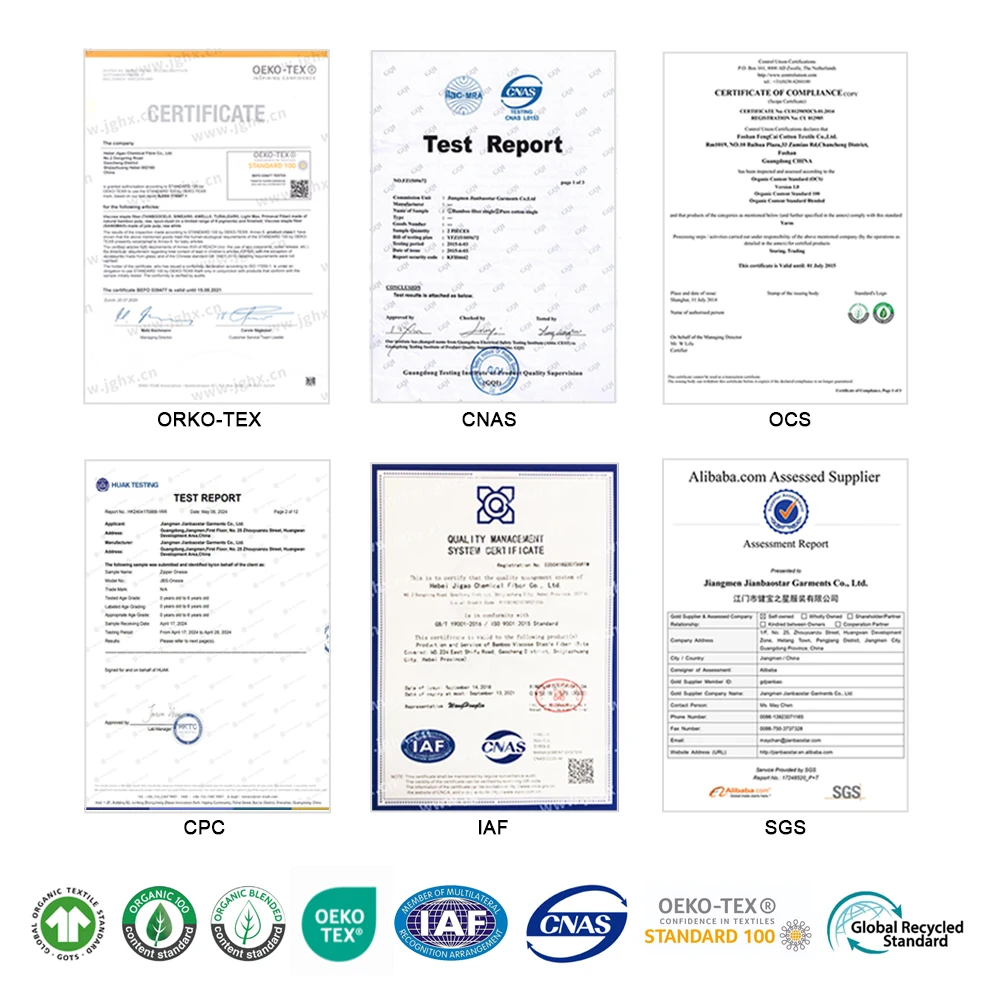
Internationally recognized certifications are essential for establishing credibility and market acceptance. Some key certifications include:
- CPC (Children’s Product Certificate): Mandatory for babywear under US regulations, CPC ensures compliance with safety standards like flammability and chemical testing.
- OEKO-TEX Standard 100: Certifies textiles free from harmful substances, safeguarding infants from allergies and irritants.
- GOTS (Global Organic Textile Standard): Applicable for organic fabrics, ensuring environmentally and socially responsible production.
Manufacturers who prioritize these certifications demonstrate their commitment to producing safe, high-quality babywear.
OEM and ODM Services: Enhancing Brand Identity
Private labeling services, including OEM (Original Equipment Manufacturer) and ODM (Original Design Manufacturer), enable businesses to create unique products tailored to their target audience. Key benefits include:
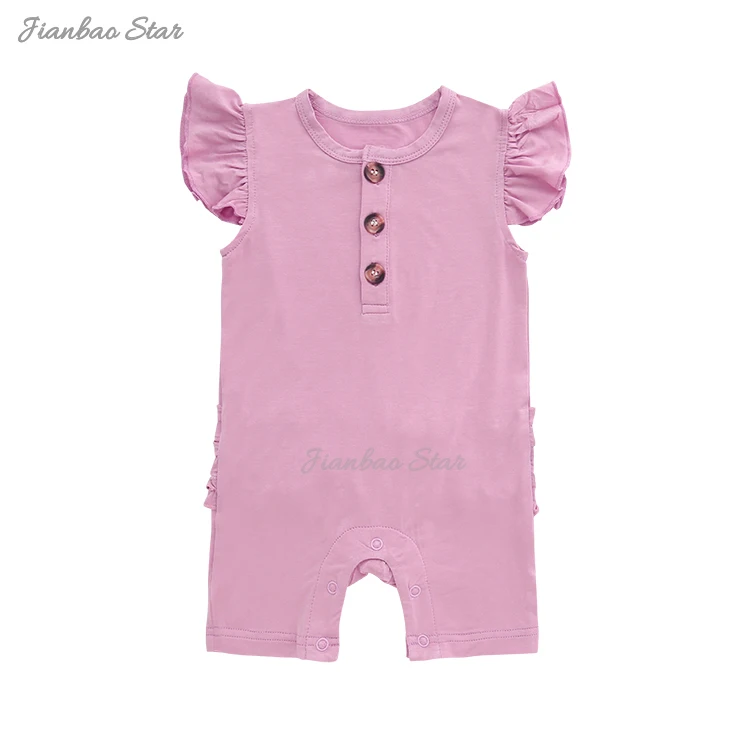
- Customization: Options for custom designs, prints, and packaging allow brands to stand out in a competitive market.
- Low MOQ: Emerging brands benefit from baby clothes manufacturer OEM and ODM custom babywear with low MOQ, reducing inventory risks while maintaining scalability.
- Brand Consistency: Private label solutions ensure consistent branding across collections, enhancing customer loyalty.
B2B Supply Chain Advantages
Efficient supply chain management maximizes operational efficiency, supporting bulk orders and timely delivery. Key advantages include:
- Flexible MOQ: Offering low minimum order quantities helps brands test new designs and enter niche markets.
- Fast Turnaround: Streamlined production timelines ensure quick responses to changing market trends.
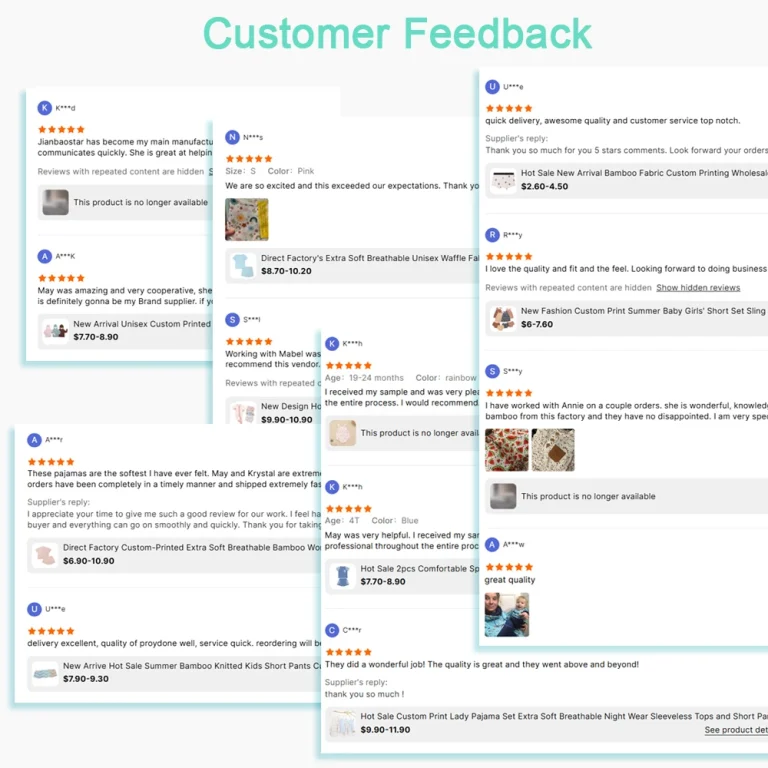
- Direct Communication: Transparent communication channels between manufacturers and buyers reduce errors and enhance collaboration.
To support your business growth, we provide baby clothes manufacturer OEM and ODM custom babywear with low MOQ solutions optimized for quality and efficiency. For customized solutions or bulk order inquiries, contact us today and elevate your product offerings with reliable manufacturing services.