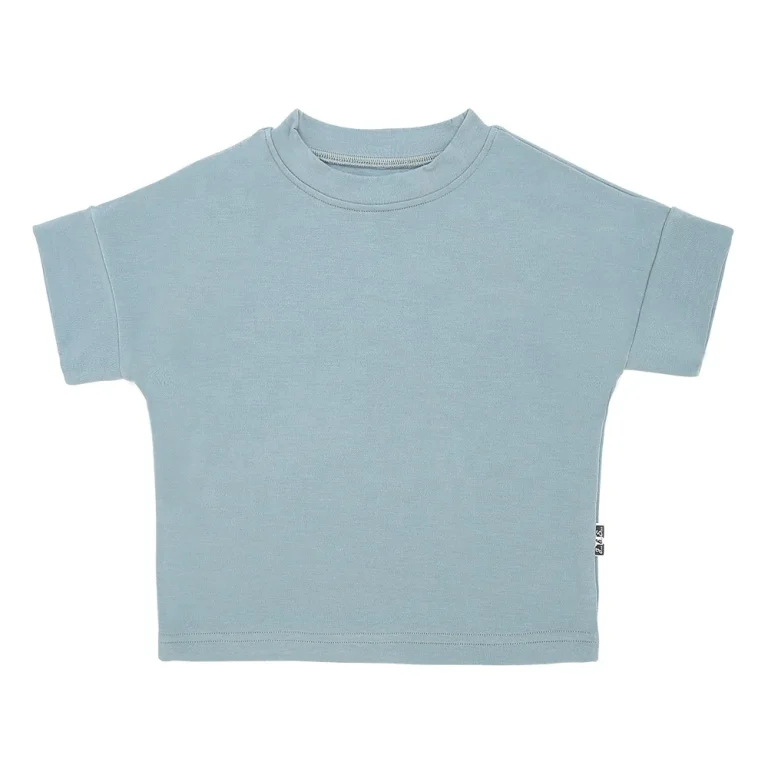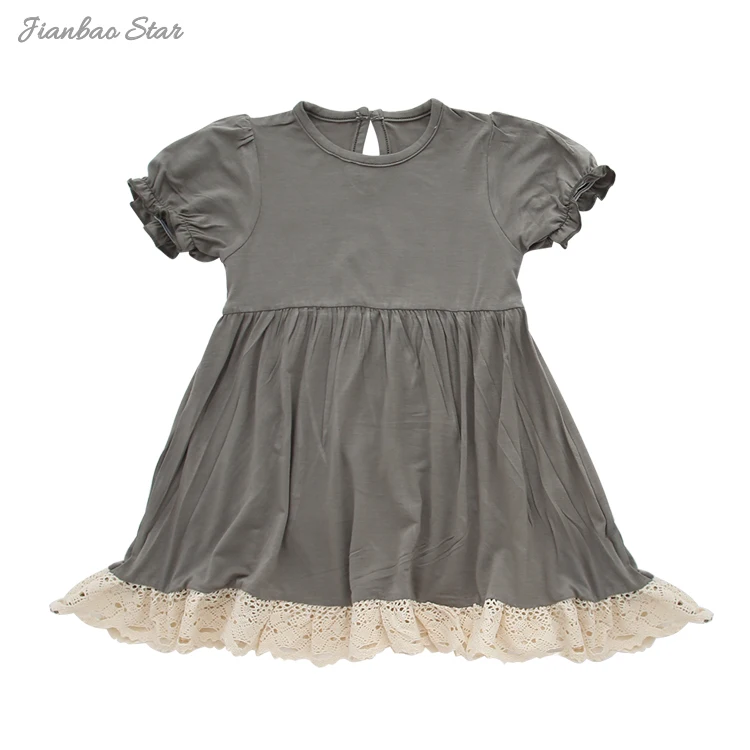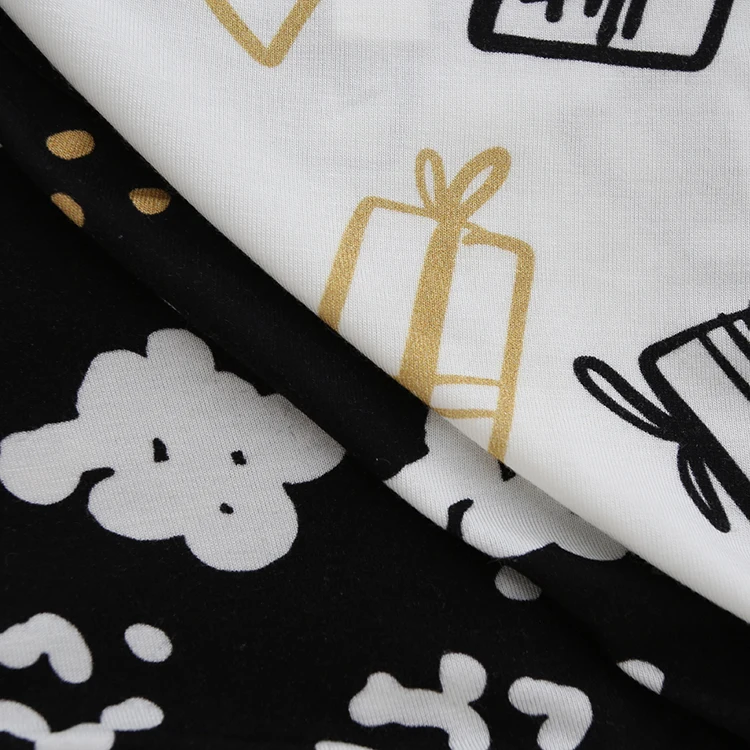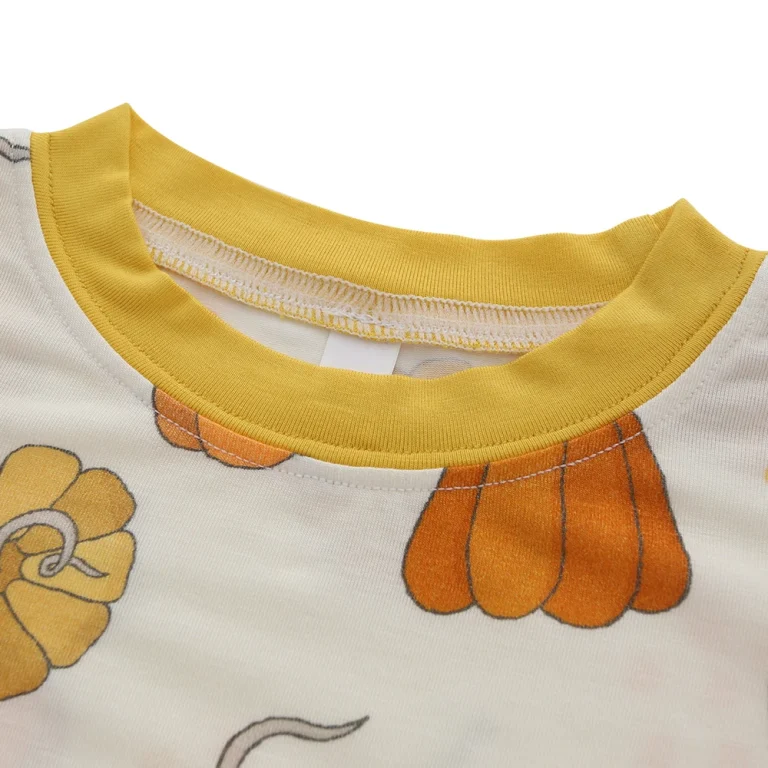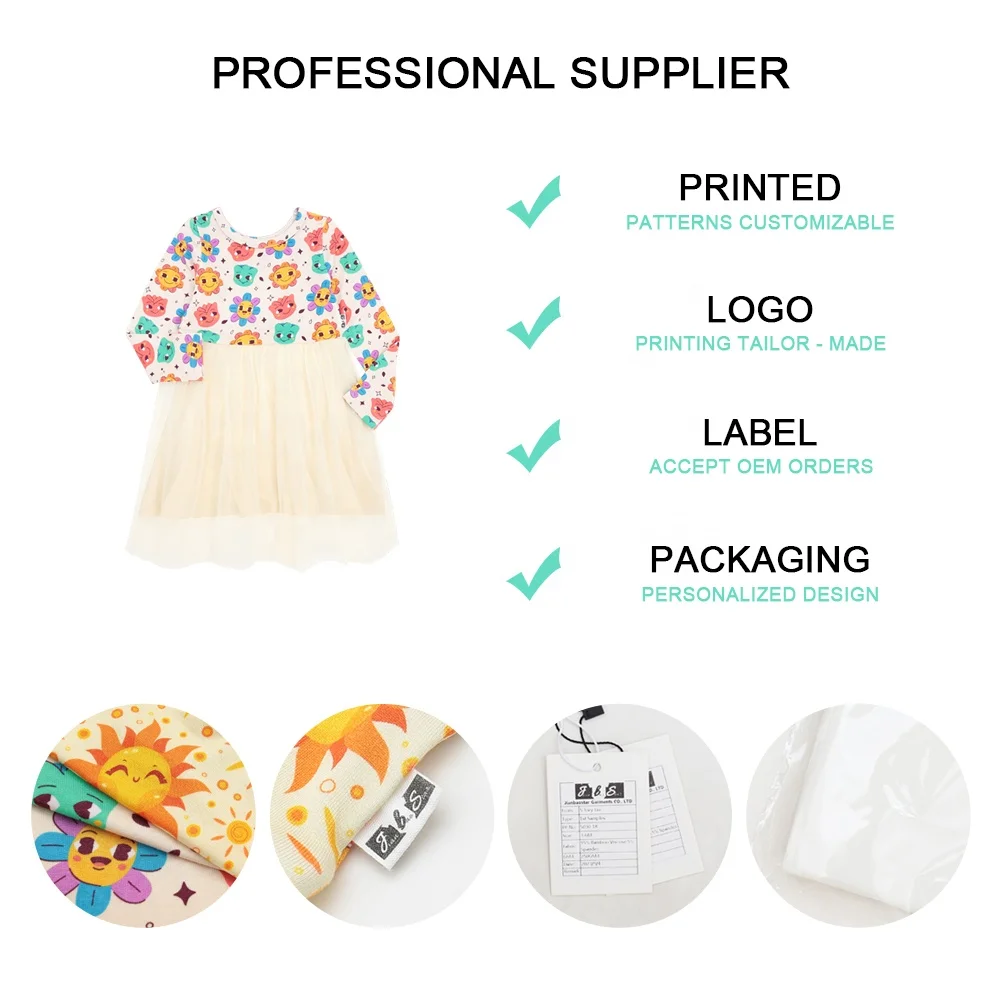
Leading Tshirts With Logo Custom Logo Printed Sampling Factories with Intertek Verified
The Growing Appeal of Custom Logo Printed T-Shirts in B2B Markets
As global demand for branded apparel continues to rise, tshirts with logo custom logo printed have become an increasingly essential product for businesses seeking to enhance their brand visibility. From startups to well-established brands, the ability to offer unique, customizable t-shirts has unlocked new opportunities for engagement and customer loyalty. For B2B buyers, understanding the intricacies of production, material properties, and international compliance is crucial for making informed decisions when sourcing these products.
Key Fabric Characteristics: Why Material Matters
When producing tshirts with logo custom logo printed, selecting the right fabric is paramount. The choice of material directly impacts the garment’s durability, comfort, and overall quality. For example:
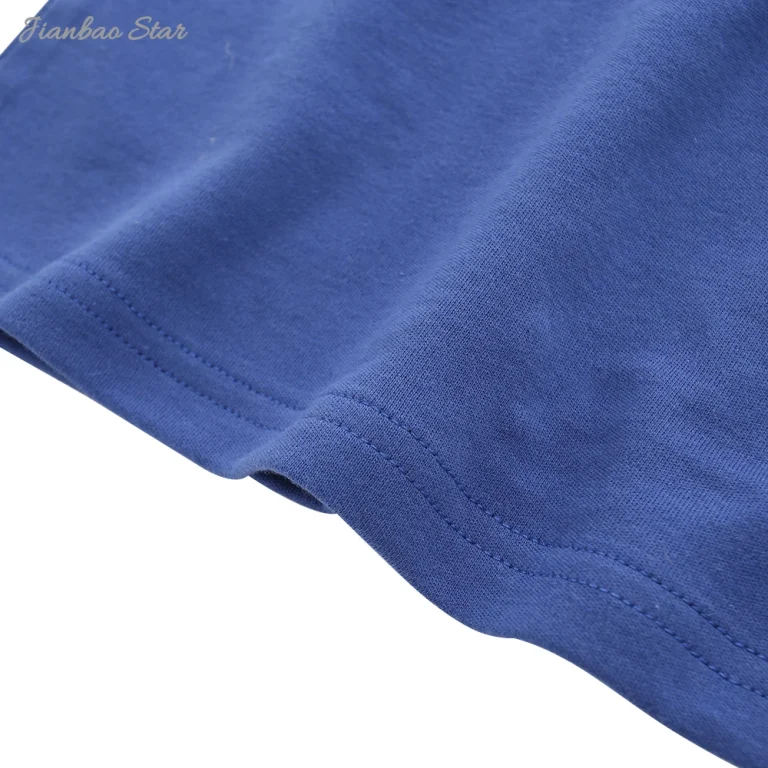
- Weight (GSM): Fabric weight, measured in grams per square meter (GSM), is a critical consideration. Heavier fabrics (e.g., 180-200 GSM) are ideal for premium products, offering durability and a structured feel. Lighter fabrics (e.g., 120-160 GSM) are better suited for warmer climates or casual wear.
- Breathability: Natural fibers like cotton and bamboo provide superior breathability, making them ideal for children’s apparel and warm climates. For babywear, bamboo viscose stands out due to its hypoallergenic and moisture-wicking properties.
- Sustainability: Eco-friendly options such as organic cotton or bamboo align with consumer demand for sustainable products. These materials not only reduce environmental impact but also enhance brand value for businesses prioritizing ethical sourcing.
Production Techniques for Custom T-Shirts
The production of tshirts with logo custom logo printed involves multiple steps, each requiring precision to meet quality standards:
- Logo Printing Methods: Common techniques include screen printing, embroidery, heat transfer, and direct-to-garment (DTG) printing. Each method has its advantages, depending on the design complexity, fabric type, and production volume. For example, DTG is ideal for intricate designs requiring vibrant colors, while screen printing is cost-effective for bulk orders.
- Private Labeling: Many manufacturers offer private labeling services, allowing businesses to incorporate their branding elements, such as custom neck labels, hangtags, and packaging. This enhances product exclusivity and brand recognition.
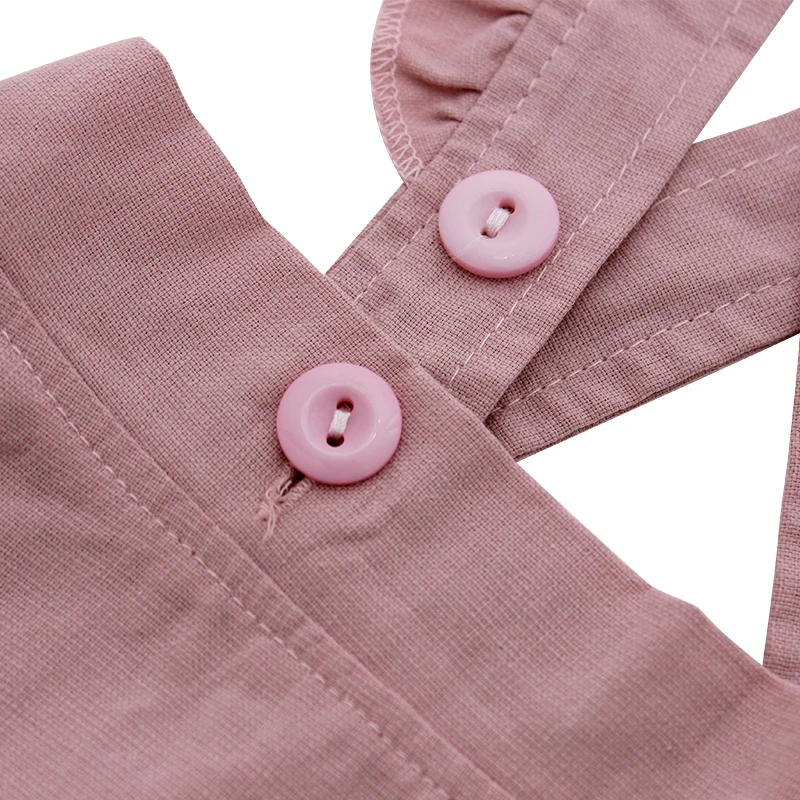
- Quality Control: Reputable manufacturers implement stringent quality control processes, including fabric inspections, stitching checks, and logo alignment verification, to ensure consistent results.
Meeting International Standards and Compliance
For businesses targeting international markets, compliance with regulatory standards is essential. Key certifications and requirements include:
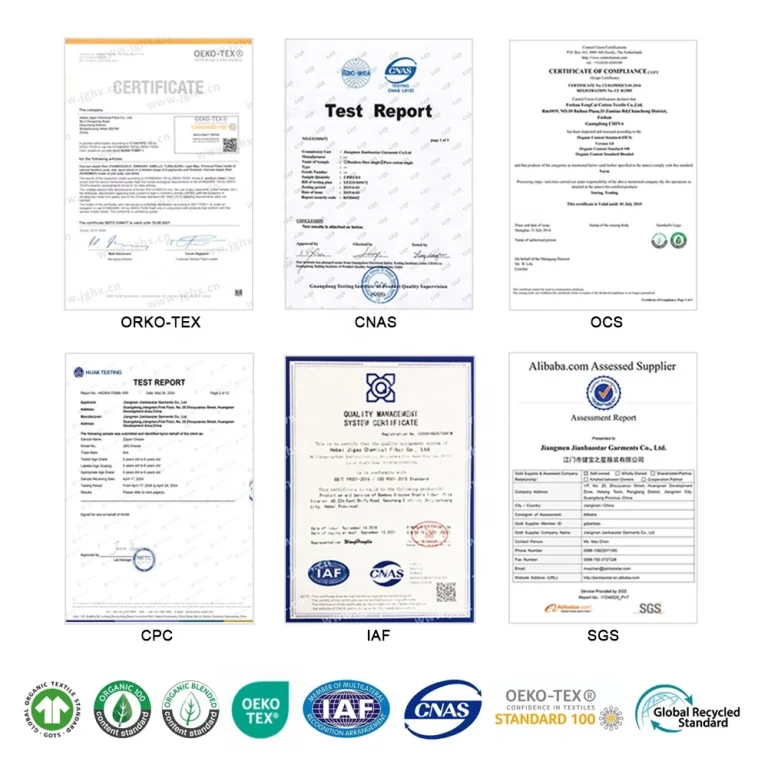
- CPC (Children’s Product Certificate): Required for babywear and children’s apparel entering the U.S. market, this certificate ensures products meet safety specifications, such as flammability and chemical content limits.
- OEKO-TEX Certification: This globally recognized certification confirms that textiles are free from harmful substances, a vital consideration for eco-conscious brands and those catering to sensitive demographics like infants and toddlers.
- REACH and CPSIA Compliance: Manufacturers must adhere to these regulations to ensure chemical safety and avoid restricted substances, particularly when exporting to the EU and U.S. markets.
OEM and ODM Models: Tailored Solutions for B2B Buyers
For businesses seeking tshirts with logo custom logo printed OEM and ODM custom babywear with low MOQ, understanding the difference between OEM and ODM models is crucial:
- OEM (Original Equipment Manufacturer): This model allows buyers to provide their own designs and specifications. The manufacturer then produces the t-shirts according to these custom requirements, offering full control over branding and design.
- ODM (Original Design Manufacturer): ODM services are ideal for businesses without in-house design capabilities. Manufacturers provide ready-made designs that can be customized with logos, colors, and branding elements.
Both models are highly flexible, catering to brands at different stages of development. For startups and small businesses, manufacturers offering low minimum order quantities (MOQs) ensure accessibility without large upfront investments.
Supply Chain and Lead Time Advantages
Partnering with experienced manufacturers offers significant supply chain benefits. Key advantages include:
- Low MOQ: Many factories now accommodate smaller batch sizes, enabling emerging brands to test the market while minimizing inventory risk.
- Efficient Lead Times: Efficient production processes and streamlined logistics ensure timely delivery, allowing businesses to meet seasonal demands and launch schedules.
- Cost-Effective Shipping: Established suppliers often have partnerships with reliable logistics providers, reducing shipping costs and ensuring smooth international deliveries.

Partner with Us for Customized Solutions
At our manufacturing facility, we specialize in producing tshirts with logo custom logo printed OEM and ODM custom babywear with low MOQ. With over a decade of expertise, we provide tailored solutions that cater to diverse business needs. From sustainable materials to private labeling, our team is committed to delivering high-quality products that align with your brand vision.
Contact us today for bulk order inquiries or to explore customized solutions. Let us help you bring your brand to life through premium, logo-printed apparel.